Furnace Not Turning On: 7 Checks to Make Before You Call a Pro
A furnace that won't turn on is often a thermostat setting, tripped switch, clogged filter or dirty flame sensor. Safe checks, in order, and when to call.
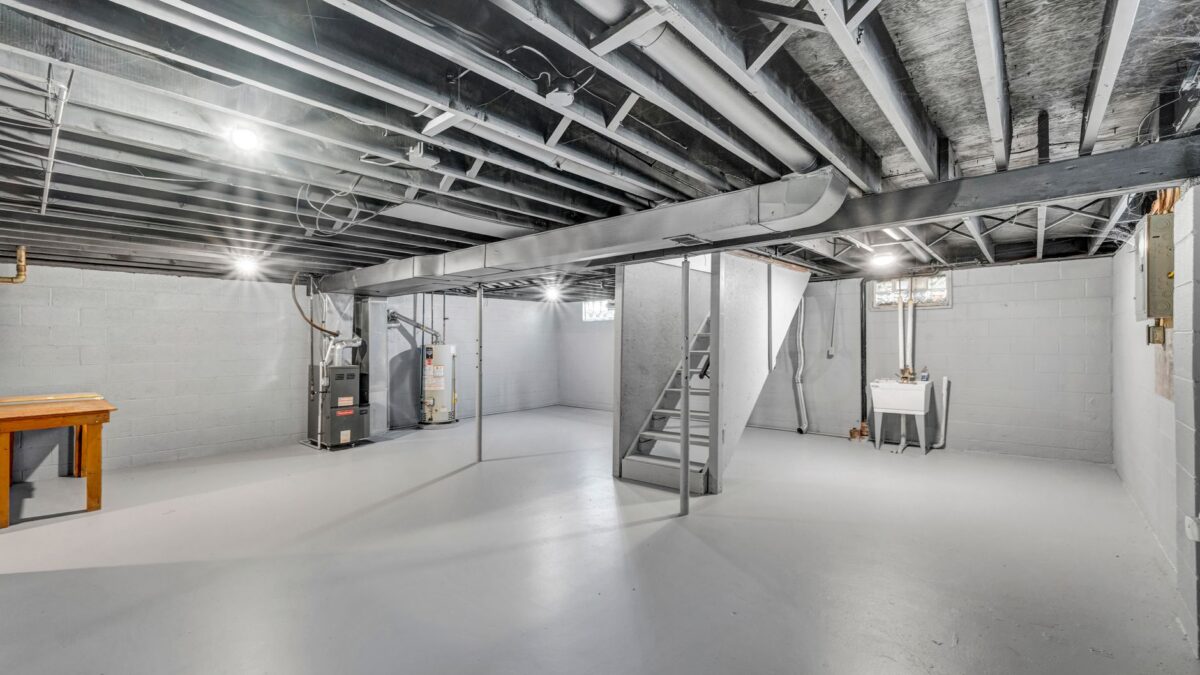
A furnace that will not turn on usually has a simple cause: a thermostat on the wrong setting or with dead batteries, a power switch or breaker that is off, a clogged air filter, an open blower door, or, on gas furnaces, a pilot that has gone out or a dirty flame sensor. Most homeowners can check all of these safely in 15 to 30 minutes with no special tools. If you smell gas, hear the burners light and shut off over and over, or the furnace still will not run after these checks, stop and call a licensed HVAC technician.
Is the thermostat actually calling for heat?
The thermostat is the first thing to check, because a furnace only starts when the thermostat asks for heat. Go through these points:
- The system mode is set to Heat, not Cool, Off or Fan only.
- The set temperature is at least 5°F (about 3°C) above the current room temperature, so the call for heat is clear.
- The display is on. A blank or dim screen often means dead batteries; replace them even if the screen still shows something faint.
- No schedule, vacation hold or eco mode is overriding your setting.
After a change, wait a few minutes. Many furnaces have a built-in delay of a minute or more before the inducer fan and burners start.
Does the furnace have power?
A furnace needs electricity even if it burns gas or oil, so a tripped breaker or switched-off unit will stop it completely. Check three places:
- The breaker panel. Look for a breaker marked furnace, HVAC or air handler. If it has tripped, switch it fully off and then on. If it trips again right away, leave it off and call a technician or electrician.
- The service switch. Most furnaces have a switch that looks like a light switch on the wall or on the unit itself. It is easy to turn off by mistake, especially in a basement or closet.
- The blower door. Furnaces have a safety switch that cuts power when the front panel is loose or missing. Make sure the panel is seated firmly and fully latched.
Many modern furnaces also have a small status light on the control board, visible through a window in the lower panel. A steady or slow blink usually means power is reaching the board; a pattern of flashes is an error code explained on a label inside the door.
Could a dirty filter stop the furnace?
Yes, a badly clogged filter can make a furnace shut down on its own safety controls. When airflow is restricted, heat builds up inside the furnace, the high-limit switch trips, and the burners turn off. The furnace may run briefly, stop, and repeat, or stay locked off.
- Find the filter slot, usually where the return duct meets the furnace or behind a return grille in a wall or ceiling.
- Hold the filter up to a light. If you cannot see light through it, replace it.
- Install the new filter with the airflow arrow pointing toward the furnace.
- Standard 1-inch filters are typically changed every 1 to 3 months during the heating season; thicker media filters last longer. Follow the furnace and filter maker’s instructions.
What if the pilot light is out?
Older gas furnaces with a standing pilot will not heat if the pilot flame has gone out. Newer furnaces use electronic ignition and have no constant pilot, so check which type you have before doing anything.
For a standing pilot, follow the lighting instructions printed on the label inside the furnace door exactly. They usually involve turning the gas control to Off, waiting several minutes for any gas to clear, then holding the knob at Pilot while lighting it and keeping it pressed for a short time before turning it to On. If the pilot will not stay lit, the thermocouple may be worn, which is a job for a technician. The steps are similar to those for a gas water heater that stops heating, but always use the furnace’s own label.
Safety: if you smell gas, do not light anything, do not operate switches, and leave the house. Call your gas utility or 911 from outside.
How do you clean a furnace flame sensor?
A dirty flame sensor is one of the most common reasons a gas furnace lights for a few seconds and then shuts off. The sensor is a thin metal rod near the burners that confirms a flame is present; a light coating of residue makes it read no flame, so the control board cuts the gas. Cleaning it is a common homeowner task if you are comfortable working carefully:
- Turn off power at the service switch and turn the furnace gas valve to Off.
- Remove the front panel and find the sensor, a single rod with a white ceramic base, held by one screw near the burner flame.
- Remove the screw and gently pull the sensor out without straining the wire.
- Lightly rub the metal rod with very fine emery cloth, a fine abrasive pad or fine steel wool until it looks clean. Do not use coarse sandpaper or touch the ceramic part.
- Wipe off dust, reinstall the sensor, replace the panel, and restore gas and power.
If the furnace still lights and drops out, the sensor may need replacing, or the problem may be grounding, gas pressure or the control board. Those call for a technician. The same light-then-fail pattern shows up in other gas appliances, as in a gas stove burner that will not stay lit.
Why did the furnace lock itself out?
Most electronic-ignition furnaces lock out after several failed attempts to light, as a safety measure. The furnace then ignores the thermostat for a while, often about an hour, or until power is reset. You can reset it once by turning the service switch off for about 30 seconds and back on.
Do not reset it again and again. Repeated lockouts mean something is wrong, and the flash code on the control board is the most useful thing to note before calling a technician. On high-efficiency furnaces, also check that the condensate drain and any condensate pump are not clogged or full, and that outdoor intake and exhaust pipes are clear of snow, ice or debris; a blocked drain or vent will stop the furnace.
When should you call a professional?
Call a licensed HVAC technician when the basic checks do not get the furnace running, or right away if you notice any of these:
- A gas smell, or a carbon monoxide alarm going off. Leave first, then call from outside.
- A breaker that trips again as soon as you reset it.
- Burning, electrical or scorching smells, or visible scorch marks.
- Loud banging, screeching or rumbling from the burners or blower.
- Repeated lockouts or error codes that return after a reset.
Quick answers
Why does my furnace fan run but there is no heat?
If the blower runs but the air is cold, the thermostat fan may be set to On instead of Auto, or the burners are not lighting because of a pilot, ignition, flame sensor or gas supply problem.
Can a dead thermostat battery stop the furnace?
Yes. Many thermostats need batteries to send the call for heat, so weak or dead batteries can stop the furnace even if the screen still shows faintly.
How long should a furnace take to start after the thermostat calls for heat?
Many furnaces take from under a minute to a few minutes, as the inducer fan, ignition and blower start in sequence. A furnace that has done nothing after several minutes needs checking.