Gas vs Induction Cooktop: How They Work, Costs and Kitchen Changes
A neutral, spec-based look at both technologies: efficiency, installation, cookware, indoor air and the rebates that may still apply in 2026.
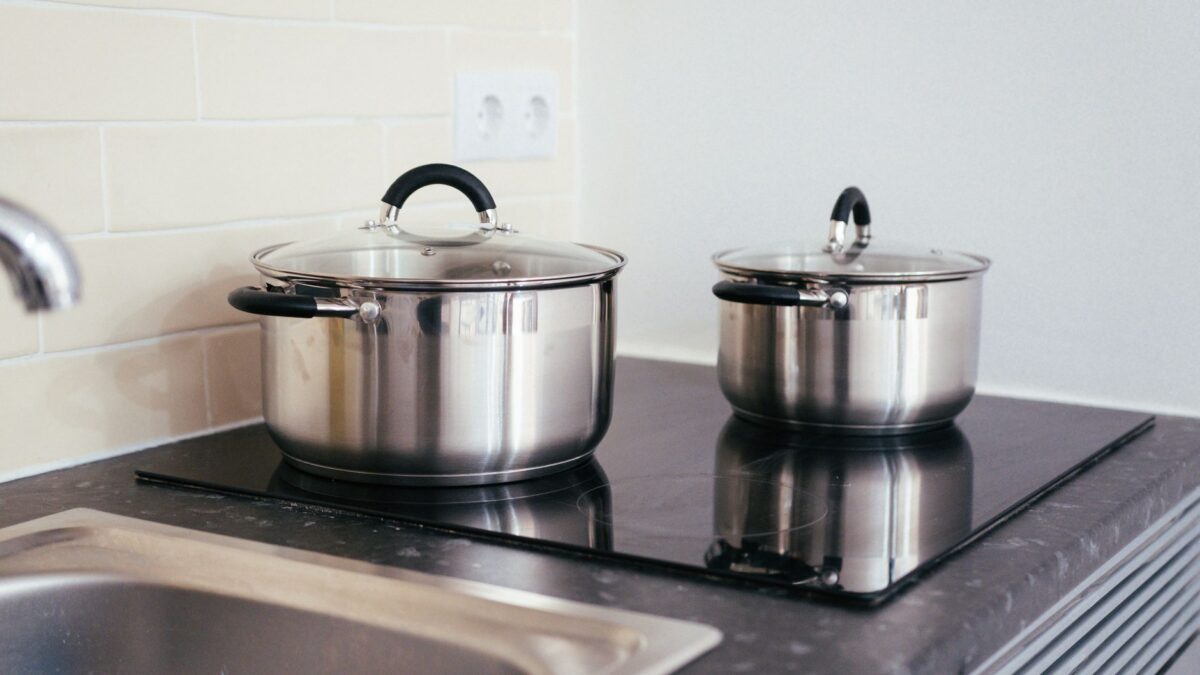
Induction cooktops heat the pan directly with a magnetic field, so they are fast, precise and, according to ENERGY STAR, roughly three times as energy efficient as gas, with no combustion byproducts in the kitchen. Gas cooktops usually cost less to buy, work with any pan and keep cooking during a power outage if you can light them manually, but they burn fuel indoors and need good ventilation. Switching to induction often means a 240-volt circuit and magnetic cookware; some states still offer rebates, but availability varies.
How each one works
Gas
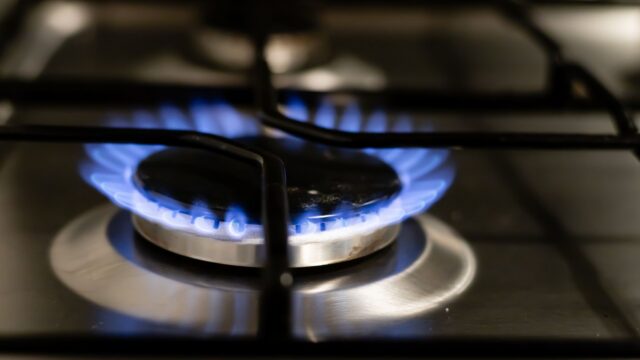
A gas burner mixes natural gas or propane with air and burns it under the pan. The flame heats the pan, and a lot of the heat also goes into the surrounding air. ENERGY STAR estimates gas cooktops at roughly 32% efficient, meaning most of the energy doesn’t reach the food.
Induction
An induction cooktop has copper coils under a glass-ceramic surface. When you switch a zone on, an alternating current creates a changing magnetic field. A pan with a magnetic base heats up directly; the glass itself only gets hot from contact with the pan. ENERGY STAR puts induction at about 85% efficient, compared with about 75–80% for standard electric resistance cooktops.
Side-by-side comparison
| Factor | Gas | Induction |
|---|---|---|
| Energy efficiency (ENERGY STAR estimates) | About 32% | About 85% |
| Heat-up speed | Quick, visible flame | Typically faster to boil water |
| Control | Visual, instant | Instant, often with precise power levels |
| Cookware | Almost anything | Must be magnetic (cast iron, many stainless steels) |
| Indoor combustion byproducts | Yes (NO2, CO and others) | None |
| Surface heat | Grates and burners get very hot | Glass warms from the pan; cools faster |
| Cleaning | Grates, caps, burner heads | Flat glass; spills don’t bake on as easily |
| Power outage | Many burners can be lit manually; check the manual | Doesn’t work |
| Installation | Gas line by a licensed pro; 120V for igniters | Often a 240V dedicated circuit |
| Purchase price | Generally lower at entry level | Generally higher, though prices vary widely |
Indoor air considerations
Burning gas indoors releases nitrogen dioxide (NO2), carbon monoxide and other pollutants. The EPA lists gas stoves among the main indoor combustion sources of NO2 and says venting the source outdoors and keeping combustion appliances properly installed and maintained are the most effective ways to reduce exposure. Peer-reviewed studies from Stanford researchers in 2024 and 2025 also estimated that gas stoves meaningfully raise household NO2 exposure, particularly for people who cook with gas most often.
If you keep gas, practical steps help:
- Run a range hood that vents outdoors every time you cook, and use the back burners when possible. An over-the-range microwave fan helps less than a ducted hood; see over-the-range vs countertop microwaves.
- Open a window if you don’t have a ducted hood.
- Clean clogged burner ports (see gas stove burner not lighting) and have the appliance serviced if flames burn yellow or sooty rather than mostly blue.
- Install carbon monoxide alarms as local code and the manufacturer recommend.
Gas stove policy in 2026
There is no federal ban on gas stoves. In 2025 the U.S. Consumer Product Safety Commission said it had concluded its review of a request for information on gas stoves without further action and that it would not regulate gas stove emissions or ban the product category (see the CPSC announcement). Some cities and states have rules on gas hookups in new buildings; check local building codes if you’re building or doing a major remodel. Existing gas stoves can generally be kept and replaced.
Cookware
Induction works only with pans that have a magnetic base. Cast iron, enameled cast iron, carbon steel and many stainless steel pans work. Plain aluminum, copper, glass and some stainless steels don’t, unless they have a magnetic layer bonded to the base. A fridge magnet that sticks firmly to the bottom is the quick test. Our guide to what cookware works on induction explains materials and interface discs.
Installation and costs
- Gas: any new gas line, connection or conversion must be done by a licensed professional. Never do DIY gas-line work. If you ever smell gas, leave the home and call your gas utility or 911 from outside.
- Induction: most full-size induction ranges and cooktops need a dedicated 240V circuit; check the amperage on the installation sheet. If you’re switching from gas, you may need a new circuit and possibly a panel upgrade. That work should be done by a licensed electrician, with a permit where required.
Costs vary widely by region, home and model. As of 2026, get written quotes for both the appliance and any electrical or gas work; the installation side can matter as much as the appliance price.
Rebates and incentives (as of October 2026)
- State Home Electrification and Appliance Rebates (HEAR): created by the Inflation Reduction Act and run by states, these can offer up to $840 toward an ENERGY STAR-certified electric or induction cooktop, range or oven for income-eligible households, plus separate amounts for panel and wiring upgrades. Availability depends on whether your state’s program has launched and still has funds; some states’ programs have already been fully reserved. Start with the DOE Home Energy Rebates page for your state.
- Federal tax credits: there is no federal tax credit for a cooktop itself. The federal home improvement credit (25C) that covered some panel upgrades ended for property placed in service after December 31, 2025.
- Utility programs: some utilities offer their own induction rebates or loaner induction burners. Ask yours.
Bottom line
Gas is cheaper to buy, works with every pan and lets you cook during a power outage, but it burns fuel indoors and depends on good ventilation. Induction is more efficient, faster and cleaner for indoor air, at the cost of magnetic cookware, often a 240V circuit and a higher price. Check your electrical panel, your pans and your state’s rebate status before deciding.
FAQ
Is induction cheaper to run than gas?
It is more efficient, but running cost depends on your local electricity and gas prices. In some areas gas is still cheaper per unit of energy delivered; compare your own utility rates.
Are gas stoves being banned?
No federal ban exists, and the CPSC said in 2025 it would not ban them. Some local rules limit gas hookups in new construction.
Can I try induction before switching?
A plug-in single induction burner on a standard outlet is a low-cost way to test cooking and your pans.
Do induction cooktops affect pacemakers?
Manufacturers commonly advise people with pacemakers or implanted devices to check with their doctor or device maker first. Follow your manual’s guidance.