What Can You Put in a Microwave? Containers, Wraps and Foil, Sorted
The safest rule is simple: if it is labeled microwave safe, use it as directed. Here's how to judge everything else in your cupboard.
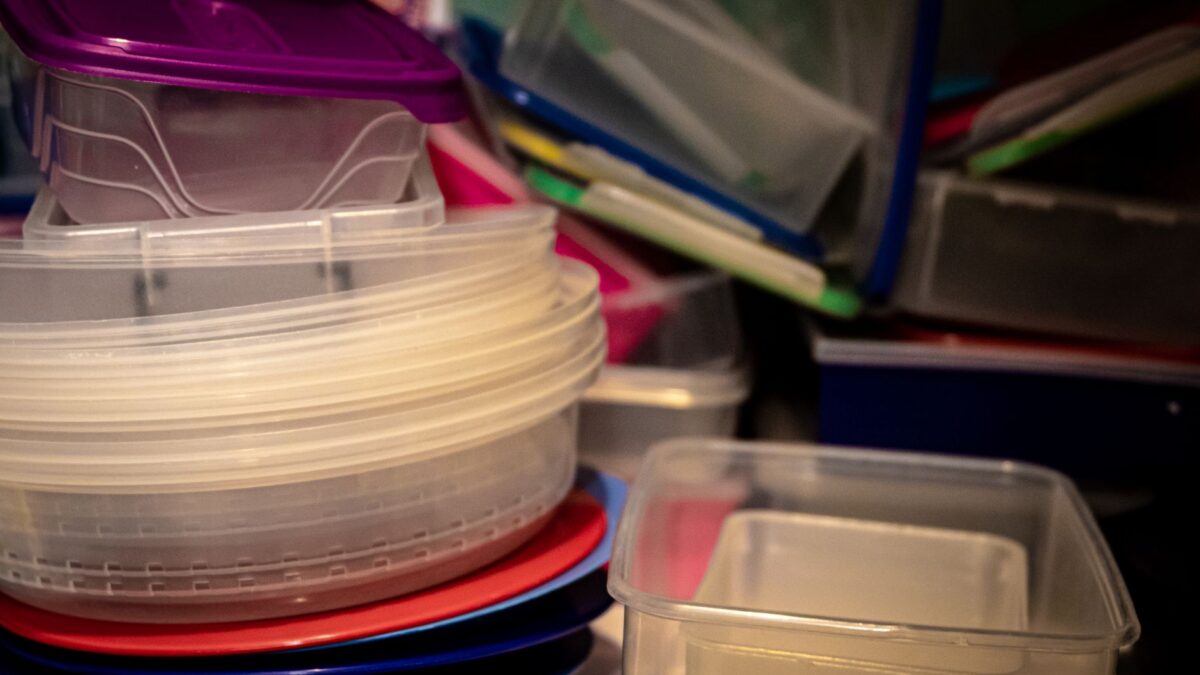
The short answer: put food in containers labeled “microwave safe,” heat-resistant glass, and plain ceramic without metallic trim. Avoid metal, foam takeout boxes, cold-storage tubs (yogurt, margarine) and anything not designed for heating. Plastic wrap should not touch the food, and foil is only acceptable in small, smooth pieces if your microwave’s manual allows it. When unsure, move food into a glass or ceramic dish before heating.
Why the container matters
Two things can go wrong. First, the container itself can melt, warp, crack or spark. Second, with plastics, heat can make substances in the material more likely to move into food. Containers sold as microwave safe are intended to be heated, and food-contact materials in the US are regulated by the FDA. Containers that aren’t labeled may be fine or may not; the label is simply your best evidence.
Quick reference
| Item | Microwave? | Notes |
|---|---|---|
| Containers labeled “microwave safe” | Yes | Follow any instructions, such as venting the lid |
| Heat-resistant glass (oven-safe glass dishes) | Yes | Avoid sudden temperature shocks, such as freezer straight to high power |
| Plain ceramic and stoneware | Usually | No metallic paint or trim; check the maker’s label |
| Cold-storage tubs (yogurt, margarine, cream cheese) | No | Not designed for heat; can warp or melt |
| Most takeout containers | Often no | Unless marked microwave safe; transfer food |
| Single-use microwave meal trays | Once | Designed for one use; don’t reuse |
| Foam (polystyrene) trays and cups | No, unless labeled | Can melt or warp |
| Plastic wrap | With care | Microwave-safe wrap only; keep it off the food and vent it |
| Wax paper, parchment | Yes | Good splatter covers |
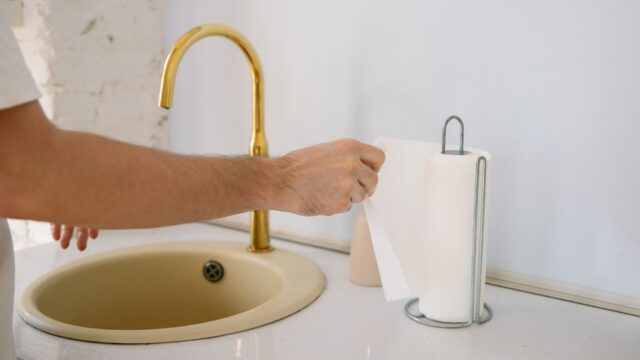
| Plain white paper towels and napkins | Yes, briefly | No prints; avoid recycled paper; never heat dry for long |
| Brown paper bags, newspaper | No | Can catch fire; inks and fibers not intended for heating |
| Metal pans, cutlery, twist ties | No | Can spark (arc) |
| Dishes with gold or silver trim | No | Trim can spark and get damaged |
| Aluminum foil | Only if your manual allows | Small, smooth pieces, away from walls |
| Travel mugs and insulated bottles | Usually no | Many have metal layers; check the label |
Reading labels and symbols
There isn’t one universal microwave-safe symbol. You’ll typically see the words “microwave safe,” or an icon of a microwave with wavy lines, on the bottom of the container. Some containers are labeled for reheating only, or say to remove the lid. The resin identification number (the number in a triangle) tells you the type of plastic for recycling purposes. It is not, on its own, a microwave-safe rating, so look for the explicit label.
If a container has no label, the safest choice is to transfer food to glass or ceramic. Discard plastic containers that are cracked, warped, or cloudy and pitted from repeated heating.
Plastic wrap and covers
Covering food helps it heat evenly and keeps the oven clean. The USDA’s Food Safety and Inspection Service recommends covering food and loosening or venting the lid or wrap so steam can escape, and it advises against using foam trays and plastic wraps when defrosting, because they are not heat stable at high temperatures (see Cooking Safely in the Microwave Oven). Practical options:
- A microwave-safe lid set slightly ajar
- An inverted microwave-safe plate or a vented splatter cover
- Wax paper, parchment or a plain white paper towel
- Microwave-safe plastic wrap, not touching the food, with a corner turned back
The foil question
Many people believe any metal will instantly ruin a microwave. The reality depends on the oven. Some manufacturers allow small, smooth pieces of foil to shield thin parts of food, like chicken wing tips, from overcooking, as long as the foil stays well away from the walls. Others say no metal at all. Crumpled foil, forks and twist ties spark because thin edges and points concentrate energy. If your manual doesn’t explicitly permit foil, don’t use it. If you see sparks, stop the oven and read our guide on microwave sparking inside.
Things that are risky even in safe containers
- Whole eggs in the shell can burst from built-up steam.
- Plain water in a smooth cup can superheat and erupt when disturbed. Heat in short bursts, or place a microwave-safe stirrer in the cup.
- Sealed jars and containers can build pressure. Remove or vent lids.
- Running empty can damage the magnetron. Always have food or water inside.
Heating food safely
Microwaves heat unevenly, which can leave cold spots where bacteria survive. USDA guidance is to stir or rotate food during heating, allow standing time, and check with a food thermometer in several places. Reheat leftovers to 165°F (74°C). For food left in a fridge without power, our guide on what to do with food after a power outage explains what to keep and what to toss.
Bottom line
Use containers labeled microwave safe, heat-resistant glass and plain ceramic. Keep metal, foam, cold-storage tubs and printed paper out. Vent covers, keep wrap off the food, and follow your manual on foil. When in doubt, transfer to glass, and check reheated food reaches 165°F.
FAQ
Is it safe to microwave plastic containers?
Use plastics labeled microwave safe, following the label. Transfer food out of cold-storage tubs and most takeout containers before heating, and retire damaged containers.
Can I microwave a paper plate?
Plain, uncoated white paper plates are generally fine for short reheating. Avoid ones with metallic prints or plastic coatings unless labeled microwave safe.
Can a ceramic mug go in the microwave?
Usually yes, if it has no metallic glaze or trim. If the mug gets very hot while the drink stays cool, the glaze may absorb microwaves; stop using it in the microwave.
Does the recycling number tell me if plastic is microwave safe?
No. It identifies the plastic type. Look for an explicit microwave-safe label or icon.