Frozen Pipes: How to Thaw Them Safely and Spot a Burst Pipe
Thaw a frozen pipe by opening the faucet and warming the pipe gently with a hair dryer or heating pad. Learn the signs of a burst pipe too.
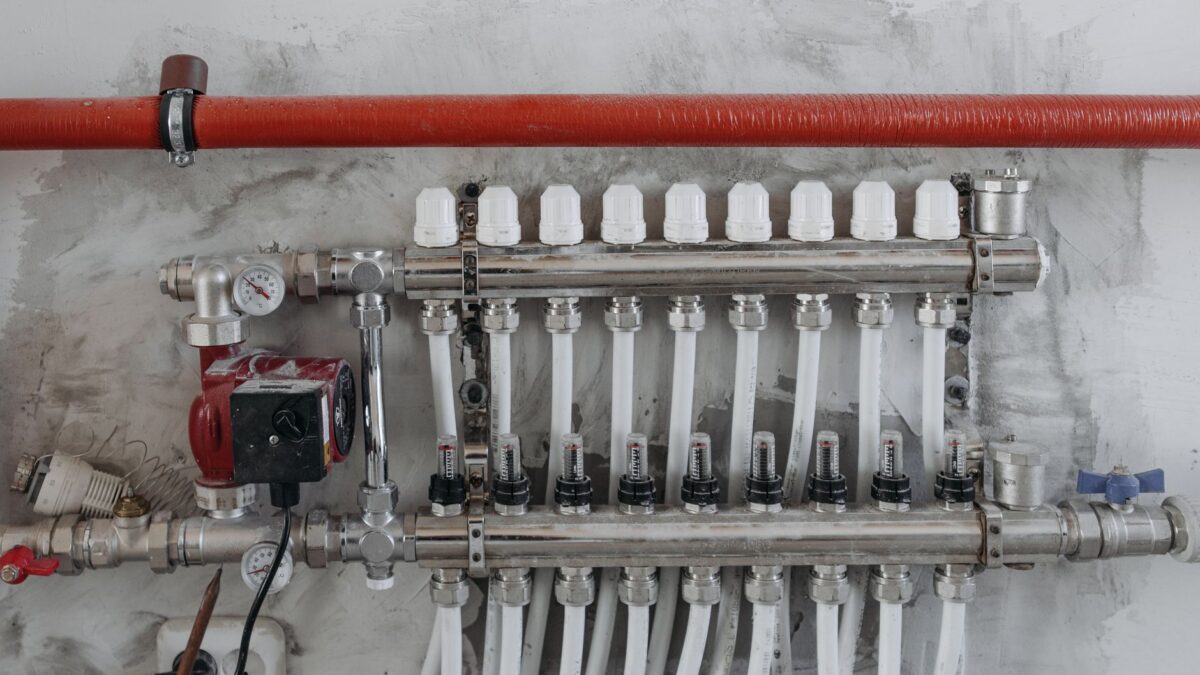
A frozen pipe is a water line with ice blocking it, and it can be thawed safely by opening the faucet it feeds and warming the pipe slowly with a hair dryer, a heating pad or warm towels. Never use an open flame, a propane torch or a kerosene heater. A pipe has burst if water stains, dripping, a sudden drop in pressure or a wet ceiling or wall appears, and the fix for that is to shut off the main water valve and call a plumber.
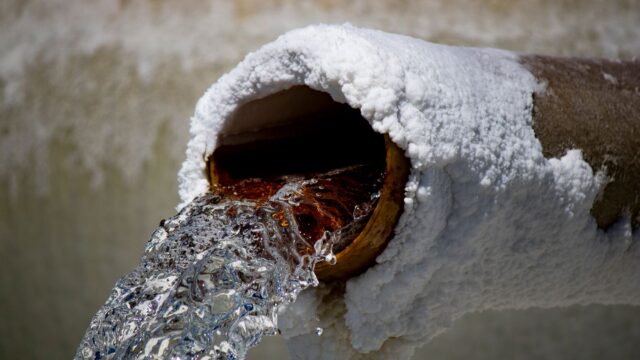
Ice expands as it forms, and the pressure builds in the pipe between the ice blockage and the closed faucet. That pressure, not the ice itself, is what usually splits the pipe.
How do you know a pipe is frozen?
The most common sign is a faucet that runs only a trickle or nothing at all when the weather is below freezing. Other signs include frost on the outside of an exposed pipe, a bulge in the pipe and a faint odor from a drain when the drain line is partly blocked by ice.
Start by checking whether the problem is one fixture or the whole house. If every faucet is dry, the frozen section is probably near the water meter or main line. If only one sink is affected, the freeze is likely in a pipe running along an exterior wall, in a crawl space, in an attic or in a cabinet under the sink.
How do you thaw a frozen pipe safely?
Open the affected faucet first, because melting ice needs somewhere to send water and steam. Then warm the pipe, working from the faucet end back toward the frozen section so the melted water can drain out.
- Open the faucet, both hot and cold sides if it is a mixer tap, and leave it open while you work.
- Apply gentle heat to the pipe with a hair dryer set on low or medium, an electric heating pad wrapped around the pipe, or towels soaked in hot water.
- Keep moving the heat along the pipe instead of aiming it at one spot.
- Stay with the pipe the whole time. Do not leave a heat source running unattended.
- When water returns at full strength, leave the faucet running for a few minutes and check the pipe and its joints for leaks.
Keep electrical devices away from standing water. If the pipe is behind a wall and you cannot reach it, raise the room temperature, open cabinet doors so warm air reaches the pipes and call a plumber if water does not return.
What should you never do to a frozen pipe?
Never use a propane torch, a blowtorch, a camp stove, a kerosene heater or any other open flame. Fire can ignite framing or insulation behind a wall, and rapid heating can damage solder joints and plastic pipe.
Do not pour boiling water directly over the pipe, and do not use a space heater near wet surfaces or flammable materials. Avoid chipping at ice or striking the pipe. A pipe that is already cracked can look fine while frozen, so a repair may only show itself when the ice melts.
How do you tell if a pipe has burst?
Water where it should not be is the clearest sign. Look for these:
- Wet spots, stains or bubbling paint on a ceiling or wall
- Dripping or the sound of running water when every fixture is off
- A sudden drop in water pressure after the pipe thaws
- Water pooling in a basement, crawl space or cabinet
- A water meter that keeps moving while all taps are closed
A split can stay hidden while the pipe is frozen and begin to leak as soon as the ice melts. For that reason, check the area during and after thawing instead of assuming the pipe is fine once water flows.
What should you do if a pipe bursts?
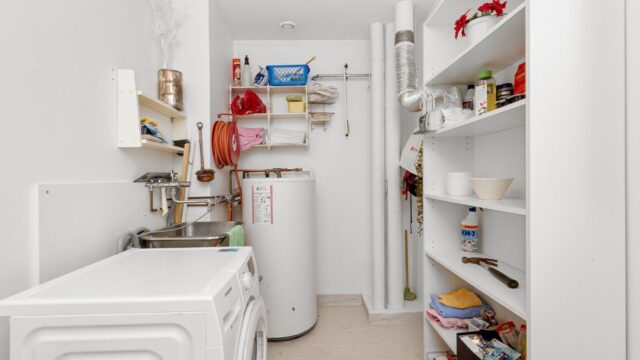
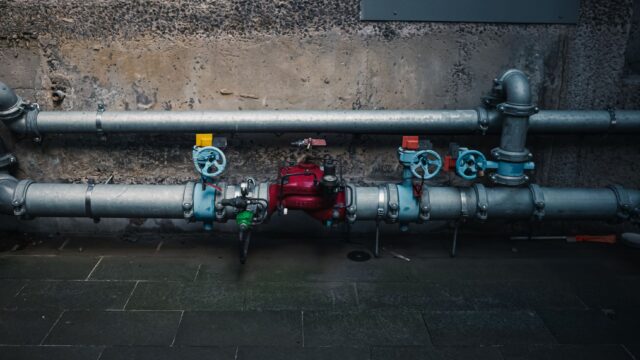
Shut off the main water valve right away. It is usually near the water meter, where the line enters the house, or in a basement, utility room or crawl space. Everyone in the household should know where it is before winter.
After that, open the lowest faucet to drain remaining water and turn off the electricity to any wet area if you can reach the breaker without standing in water. If water is near outlets, appliances or the electrical panel, stay out and call an electrician or your utility. Move belongings out of the wet area, take photos for an insurance claim and call a licensed plumber. Water that has soaked drywall or insulation can lead to mold, so dry the area quickly.
The Federal Emergency Management Agency’s Ready.gov winter weather page covers preparing a home and household for freezing conditions.
How do you stop pipes from freezing again?
Pipes in unheated spaces freeze first, so insulating them is the standard first step. Foam pipe sleeves are cheap and fit over straight runs. Seal gaps where pipes pass through exterior walls, and disconnect garden hoses and shut off the outdoor spigots before the first hard freeze.
During a cold snap, let a faucet drip slightly. Moving water is harder to freeze and a drip relieves pressure between any ice and the tap. Open the cabinet doors under kitchen and bathroom sinks that sit on exterior walls so room air can reach the pipes, and keep the thermostat at the same setting day and night. If you leave home in winter, many guidelines suggest not setting the heat very low, because a house that cools down can freeze pipes in walls.
Quick answers
How long does it take to thaw a frozen pipe?
It varies with the length of the frozen section, the pipe material and how cold the space is. Plan on working steadily and patiently, and call a plumber if water has not returned after a reasonable effort.
Will a frozen pipe always burst?
No. Many freeze and thaw without damage. Pipes split most often where ice has formed a blockage and pressure has built up, so any pipe that has frozen is worth inspecting once water flows.
Is it safe to thaw a pipe inside a wall?
Raising the room temperature and opening nearby cabinets is safe. Cutting into the wall or applying strong heat to a hidden pipe is a job for a plumber.