California Weighs Limits on Quartz Countertop Fabrication
California is considering limits on engineered stone fabrication over silica dust. Existing quartz countertops are not the target; supply could change.
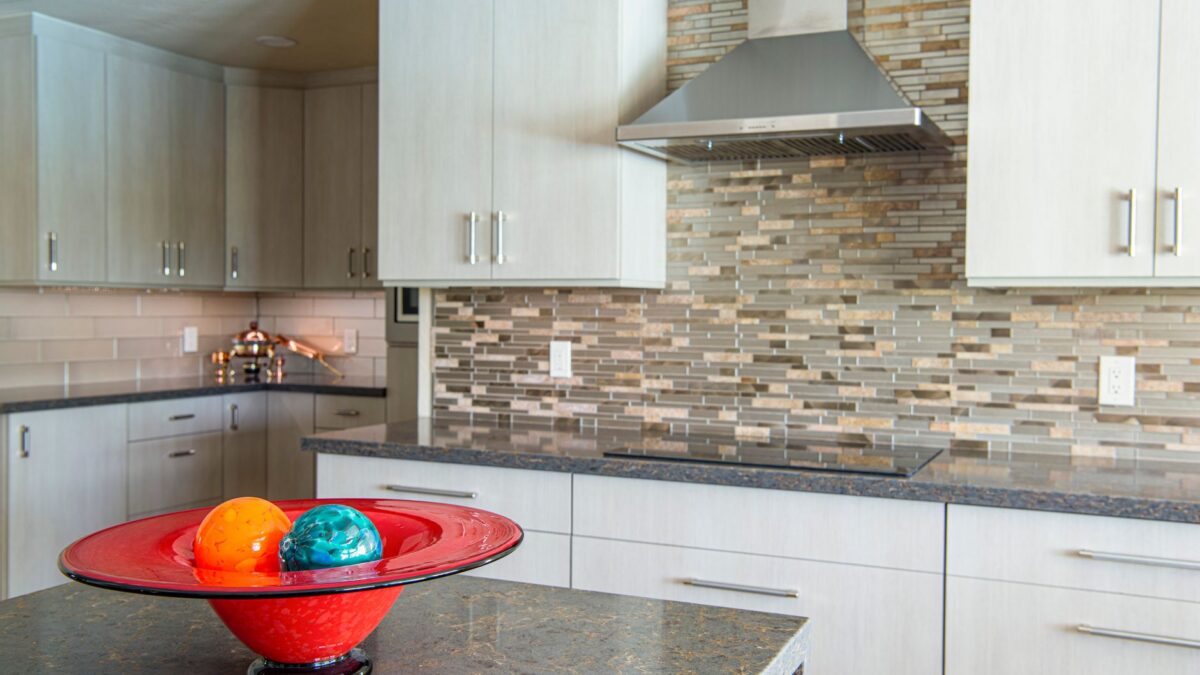
California is considering restrictions on the fabrication and installation of certain engineered stone products, including quartz countertops, because of health risks from respirable crystalline silica dust, according to a Tasting Table report. The concern is for the workers who cut, grind and polish the material.
Homeowners who already have quartz in their kitchens are not the focus. The possible effect for shoppers is on how easily quartz can be bought in the future. The status and timing of any rule were not specified in the report.
What is being considered in California?
Kerrie Kelly, CEO and creative director of Kerrie Kelly Studio, told Tasting Table that California is weighing limits on fabricating and installing certain engineered stone products. She said cutting, grinding or polishing silica-containing materials releases extremely fine particles that pose significant risks to workers without adequate exposure controls.
The issue is a point of contention in California, which is home to several quartz countertop manufacturers, the report says. Tasting Table described quartz as being banned slowly in parts of the U.S., though it did not name other places or give dates.
What is silicosis?
Silicosis is a lung disease caused by inhaling respirable crystalline silica dust. Kelly described it as serious and irreversible. Tasting Table compared it to black lung disease, which can follow prolonged inhalation of coal dust.
Because the disease cannot be cured, it is a major concern for people working in the industry, according to the report.
Is a quartz countertop already in my home a danger?
No, according to Kelly. She said the proposed restrictions aim to protect people who manufacture and fabricate the surfaces, and do not suggest that professionally installed countertops are inherently unsafe for homeowners.
Which other materials contain silica?
Quartz is not the only material that can cause silicosis. Kelly said natural stones such as granite and quartzite also contain crystalline silica and need appropriate fabrication safeguards. Crystalline silica is found in materials from natural sand and stone to artificial stone, the report says. For a comparison of two common choices, see this guide to quartz versus granite countertops.
Kelly named porcelain, ceramic and verified low-silica or silica-free surfaces, such as ECLOS, as options worth exploring. She noted that every material has its own manufacturing considerations.
What does this mean for people buying countertops?
Quartz remains Consumer Reports’ highest-rated countertop material, according to Tasting Table, but a restriction could change whether it is available. Anyone shopping now faces a choice between quartz and alternatives that may be made with different dust risks.
Kelly encouraged consumers to look beyond the finished product and ask how their surfaces are fabricated and installed.
Source: Tasting Table