How to Deep Clean Linoleum Floors: Grime, Scuffs and Rinsing
Deep clean linoleum floors with warm water and a pH-neutral cleaner, then rinse and dry. How to lift kitchen grease, erase scuffs and avoid damage.
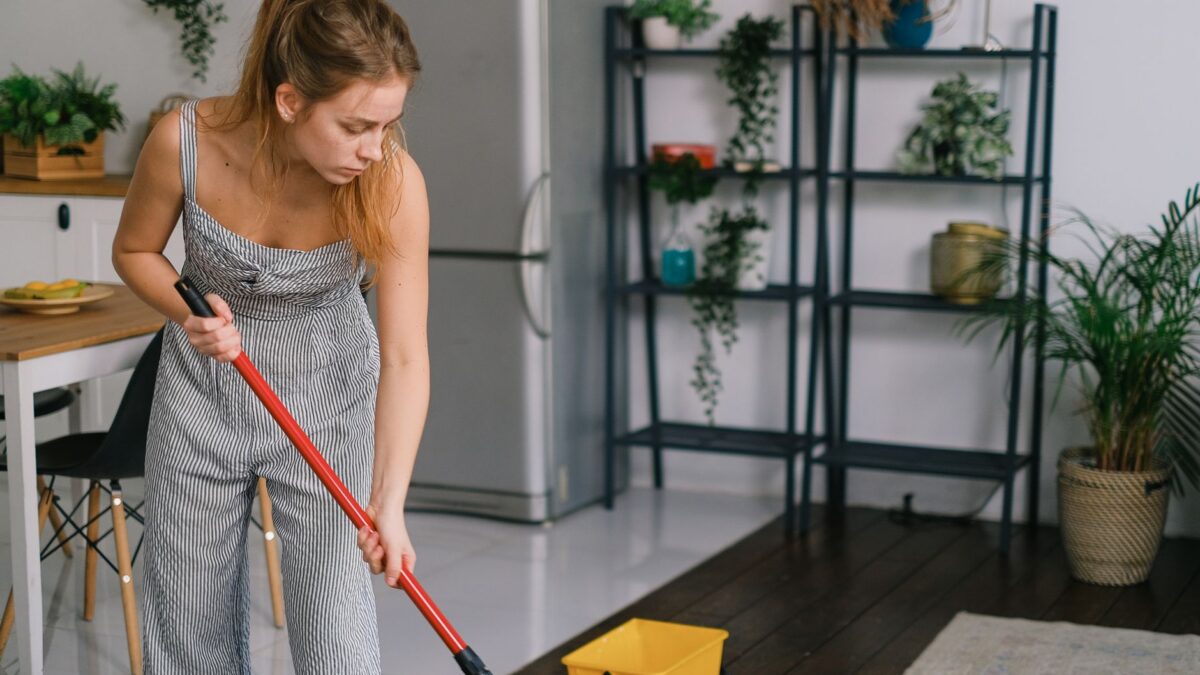
To deep clean a linoleum floor, sweep or vacuum it, wash it with warm water and a pH-neutral floor cleaner or a few drops of dish soap, scrub grimy spots with a soft brush, then rinse with clean water and dry it right away. Linoleum is made from linseed oil, wood or cork flour and ground limestone on a jute backing, so strong alkaline cleaners, ammonia and standing water are what damage it. Scuffs usually come off with a dry tennis ball, a bit of baking soda paste or a lightly used melamine sponge.
Is my floor linoleum or vinyl?
Many floors people call linoleum are actually sheet vinyl, and the difference changes which cleaners are safe. True linoleum has color that runs all the way through the material, so a scratch shows the same color underneath. It often has a slight smell of linseed oil when new and may yellow a little in areas kept out of light. Vinyl has a printed pattern on top of a backing, so deep scratches show a different layer.
The steps below are gentle enough for both. Vinyl tolerates a wider range of cleaners, but treating it like linoleum does no harm.
What should I use to deep clean linoleum?
A pH-neutral cleaner made for linoleum or resilient floors is the safest choice. Plain dish soap works too, at a few drops per gallon (about 4 liters) of warm water. Too much soap leaves a sticky film that attracts dirt.
- Use: warm water, pH-neutral floor cleaner, mild dish soap, baking soda for spot work.
- Avoid: ammonia, bleach on a regular basis, high-alkaline degreasers and wax strippers not labeled for linoleum, abrasive powders, steel wool and steam mops.
- Go easy on vinegar: a weak solution is common for vinyl, but many linoleum makers recommend sticking to neutral cleaners.
If you want a cleaner with a simpler ingredient list, the EPA Safer Choice program labels products that meet its criteria. Never mix cleaning products, especially anything containing bleach with ammonia or acids.
How do I deep clean a grimy kitchen linoleum floor, step by step?
- Clear the floor and sweep or vacuum with a hard-floor setting. Grit left behind acts like sandpaper under the mop.
- Mix warm water with your neutral cleaner in one bucket and fill a second bucket with clean rinse water.
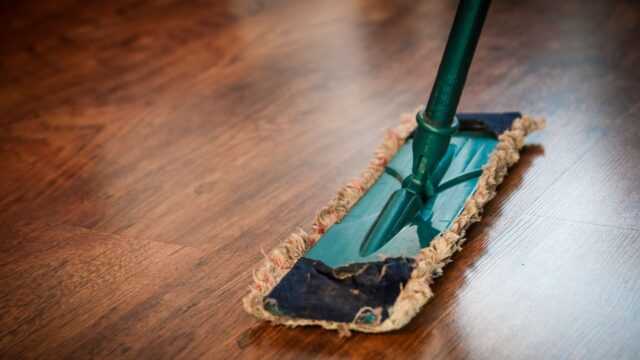
- Work in small sections of a few square feet. Wring the mop until it is damp, not dripping.
- For greasy areas near the stove and sink, let the solution sit for 2 to 3 minutes, then scrub with a soft nylon brush. An old toothbrush reaches corners and the edge along cabinet toe kicks.
- Wipe the loosened grime away before it dries back onto the floor.
- Rinse the section with the clean-water mop, changing the rinse water when it turns cloudy.
- Dry with a towel or microfiber pad and keep foot traffic off until the floor is fully dry.
Grease on the floor often comes with grease on surfaces above it. If the whole kitchen needs attention, our guides to cleaning an oven without self-clean and cleaning a greasy kitchen ceiling cover those jobs.
How do I remove scuff marks from linoleum?
Most black heel and shoe scuffs are rubber sitting on the surface, so gentle friction lifts them. Try these in order, from mildest to strongest:
- Rub with a clean, dry tennis ball or a pencil eraser.
- Apply a paste of baking soda and water on a soft cloth and rub lightly, then rinse.
- Use a damp melamine sponge with very light pressure on a small area. It is mildly abrasive and can dull the finish if you press hard.
- For sticky residue from tape or labels, a little rubbing alcohol on a cloth usually works. Test it in a hidden spot first.
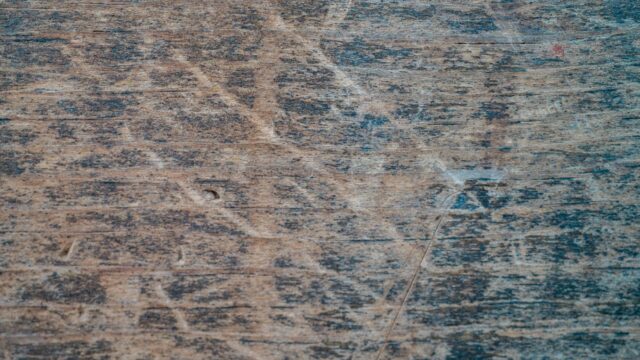
Scratches and gouges that go into the material need a repair, not more cleaning. Small ones in sheet linoleum can sometimes be filled with a color-matched seam filler from the flooring maker.
Why does rinsing matter so much?
Rinsing removes the cleaner residue that makes floors feel tacky and look dull a day after mopping. Soap left on the surface traps new dirt and builds up into a hazy film, which people often mistake for floor wear. If your linoleum looks cloudy even after cleaning, mop it once with plain warm water and dry it. The same rule keeps laminate looking clear, as our guide to cleaning laminate floors without streaks explains.
Water itself is the other risk. Linoleum resists moisture on the surface, but water that pools at seams and edges can soak into the jute backing, loosen the adhesive and make edges curl. Damp mopping and quick drying prevent that.
How often should linoleum be deep cleaned?
A kitchen linoleum floor usually needs a deep clean every one to three months, with sweeping a few times a week and a quick damp mop weekly. Wipe spills as they happen, since oils, dyes from food and acidic liquids can stain if left to sit. Felt pads under chair legs and a mat at the door cut down on scratches and grit.
Many linoleum floors have a factory finish, and older ones may have been waxed or polished. If the shine is worn after cleaning, a polish or finish made for linoleum can restore it. Follow the product label and the flooring maker’s instructions, and strip old wax only with a stripper labeled safe for linoleum.
Quick answers
Can I use a steam mop on linoleum?
No. Steam pushes heat and moisture into seams and the backing, which can loosen the adhesive and cause curling.
Is Murphy’s-style oil soap safe on linoleum?
Oil-based soaps can leave a slippery residue on resilient floors. A pH-neutral cleaner made for linoleum is the safer choice.
How do I get yellow stains out of old linoleum?
Yellowing in true linoleum that was kept out of light often fades after a few weeks of daylight. Stains from food or rust are best treated with a neutral cleaner and gentle scrubbing; deep discoloration may be permanent.
Can I use bleach to disinfect linoleum?
Occasional use of a diluted disinfectant labeled for floors is fine, followed by a clean-water rinse. Regular bleach use can dull and discolor the surface.