Open the Dishwasher After the Cycle? What Makers Say
Wait a few minutes, then crack the door, says KitchenAid. Samsung models open the door on their own. See what each brand says and why it matters.
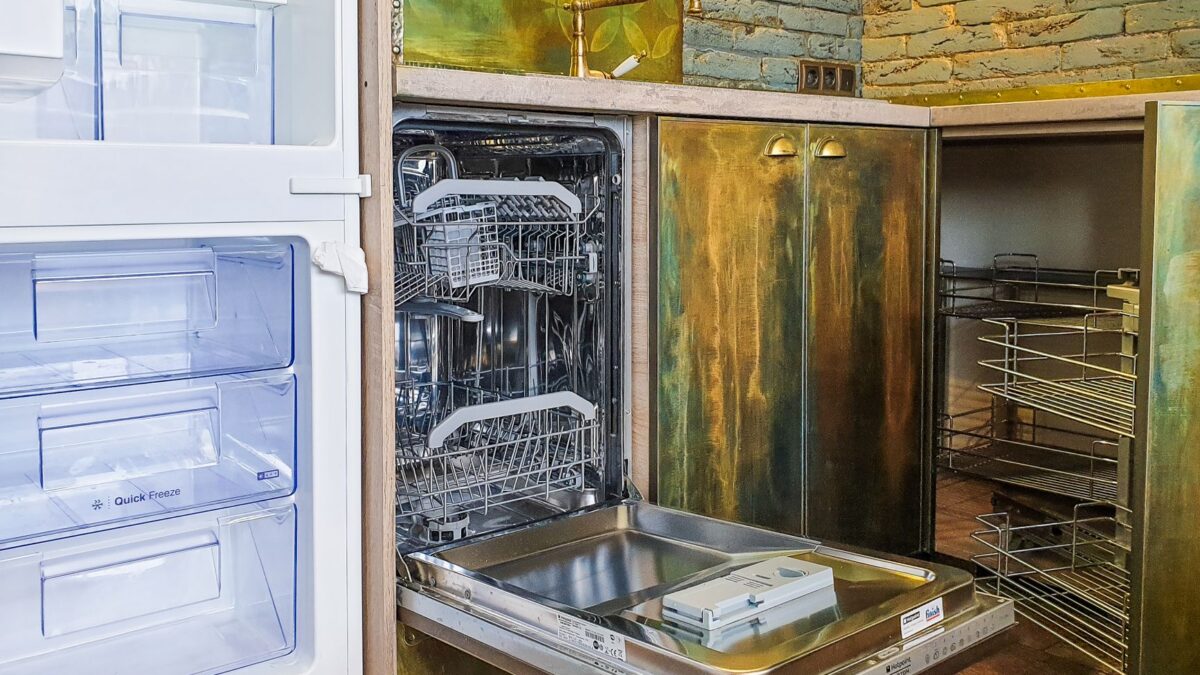
Opening the door at the end of a cycle can help dishes dry, but the brands do not tell you to fling it wide the second the cycle ends. KitchenAid suggests waiting a few minutes, then cracking the door open slightly. Samsung builds an automatic door opener into some models, and Whirlpool has an “Open Door Drying” option on some of its own. Here is what each manufacturer’s support pages say.
Does opening the door make dishes dry faster?
Steam is the problem at the end of a wash. Samsung says its AutoRelease feature improves drying by opening the door automatically during the last 5-15 minutes of the cycle. Samsung’s Canadian support page says the Auto door open function helps by letting internal steam out after washing, rinsing and drying finish. The company does not recommend switching it off.
The feature is not on every model, and the way to turn it on differs by model, so check your user manual. On some models it is on by default after every cycle, according to Samsung Canada.
Should you wait before opening the door yourself?
KitchenAid says yes, briefly. Its guidance is to let the cycle finish, wait a few minutes so condensation inside the tub can settle, and then open the door slightly so moisture drifts away from nearby surfaces. This also reduces the burst of steam you get when you open the door right away. The advice comes from its page on condensation on the kitchen counter.
KitchenAid also lists drying options that depend on the model: Heated Dry, Extended Dry, Open Door Dry and Fan Dry. On stainless-steel tub models, it says rinse aid helps water run off in sheets, which leaves fewer droplets to turn into steam at the end of the cycle. If your dishes stay damp, our guide to how dishwasher drying works and what fixes it covers the causes.
What happens to the countertop above the dishwasher?
Opened doors release warm, moist air. KitchenAid explains that when this air meets a cooler countertop or cabinet underside, it can condense into droplets. This shows up more after hot cycles, in kitchens cooled by air conditioning, and after cooking raises the humidity in the room.
The company suggests several ways to cut down on it:
- Run the kitchen exhaust fan during and shortly after the cycle.
- Keep indoor humidity within about 30% to 50%.
- Wipe visible moisture promptly.
- If the dishwasher sits under a countertop overhang, ask a dealer about KitchenAid’s moisture barrier accessory, part number 4396277.
- Check that the door seal is intact, the unit is level and the clearances match your installation instructions.
Steam leaking from places other than the intended vent may point to a sealing or installation problem, according to KitchenAid.
What if the door will not open or close on its own?
Samsung says that if the door does not open automatically, first check that the feature is enabled and that the dishwasher is level. Make sure a cabinet or another item is not blocking the door. If the cabinet is in the way, the dishwasher has to be reinstalled, and Samsung recommends professional installation. If the door still stays shut, it points to Samsung US support to request service.
Whirlpool covers the opposite case, an Open Door Drying model whose door will not close after the cycle. Its product help page says to push the door shut, then turn the power off for 1 minute and back on to reset the door opening system. It also says to check that the dishwasher is level and square in the cabinet, because an out-of-square opening stops the door from sealing. Look for silverware or other items wedged between the door seal and the tub, protruding items on the racks and large food particles around the seal.
How do you empty it so dishes stay dry?
Samsung recommends emptying the lower rack first, then the upper rack, so water on top does not drip onto dishes below. It also advises arranging dishes so they do not block the spray nozzles or the detergent dispenser, since overlapping items can hurt drying. Use only liquid rinse aid, do not overfill the reservoir and never put detergent in it.
Cycle length and drying settings also affect how wet dishes are at the end. Our piece on how long a dishwasher should run explains typical cycle times, and the energy and water use per cycle article covers what a cycle costs to run.
Quick answers
Is it safe to open the door mid-cycle to dry dishes?
None of the pages above recommend opening the door during a wash. They describe opening it at the end of the cycle, either automatically or by hand after a short wait.
Should I turn off the auto door open feature?
Samsung says it does not recommend turning it off, because it releases steam and improves drying. If condensation on the countertop bothers you, KitchenAid’s tips on ventilation, humidity and a moisture barrier address that side of the problem.
Does every dishwasher have an open-door option?
No. Samsung says its Auto door open function is not available on all models, and KitchenAid notes that its drying options vary by model. Check your user manual for what yours offers.
Checked against official sources in November 2026. Hours, prices and rules change: confirm on the official page before you go or apply.