Painting an Old Radiator: Lead Test, Prep and Heat-Resistant Paint
Test an old radiator's paint for lead before you sand it. This guide covers EPA lead-safe rules, test kits, prep and choosing a heat-resistant paint.
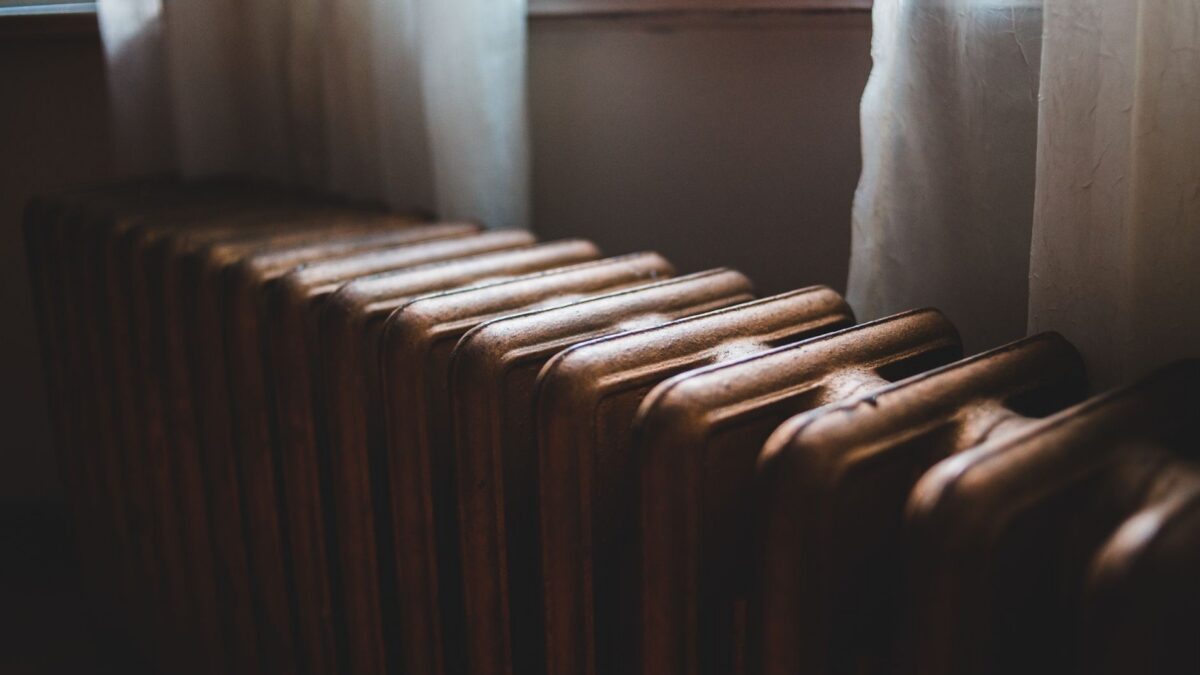
Before you sand or scrape an old radiator, find out whether its paint contains lead. Homes built before 1978 may have lead-based paint, and the dust from disturbing it is the hazard. If the radiator is clean of lead, or you have sealed the old paint in place, the job is ordinary: clean, prime, then apply a paint made for hot metal.
The federal government banned lead-based paint in homes, childcare facilities and preschools in 1978, according to the U.S. Environmental Protection Agency. The agency says about three-quarters of U.S. homes built before then still contain some of it. Old radiators have often been repainted many times, so the bottom layers may predate the ban.
Does an old radiator have lead paint?
It might, if the house or the radiator dates from before 1978. Paint in good condition is not a problem on its own. EPA says children can live safely in these homes as long as paint and surfaces are in good condition and kept clean. The risk starts when paint peels, chips or cracks, or when someone sands or scrapes it. Surfaces that rub or heat up and cool down repeatedly, such as a radiator, are the kind of place where old paint can break down.
A radiator in a house built after 1978 is unlikely to carry lead paint, though a salvaged or second-hand cast iron unit could come from an older building.
How can you test radiator paint for lead?
You have a few options, and they differ in how much they prove.
- Send a paint chip to a laboratory certified under the National Lead Laboratory Accreditation Program. This is one of the options EPA lists for certified renovators.
- Hire a certified inspector or risk assessor to test the surface.
- Use a home test kit. EPA recognizes three kits for use under its renovation rule: LeadCheck, D-Lead and the State of Massachusetts kit. Recognition covers use by trained professionals, and only a negative result counts: EPA says a recognized kit can reliably show that regulated lead-based paint is not present, but it does not say a positive result is reliable. The Massachusetts kit is recognized for drywall and plaster, not for wood or metal. LeadCheck and D-Lead are recognized for wood, iron-containing metal and drywall and plaster.
- Assume the paint contains lead and work as if it does.
EPA states that, so far, no lead test kit has met both of the performance criteria in its renovation rule. A positive swab on a cheap consumer kit may be a false alarm, and a negative on an unrecognized kit is not proof. When the result matters for a child’s room or a rental, a lab or a certified inspector gives a firmer answer.
Do the EPA lead-safe rules apply to you?
It depends on who you are. EPA’s Renovation, Repair and Painting Rule requires anyone paid to disturb painted surfaces in pre-1978 homes, childcare facilities and preschools to be certified and to use lead-safe work practices. In general, the rule does not cover homeowners working on their own pre-1978 home. It does apply if you rent out all or part of the home, run a childcare center there, or buy, renovate and sell homes for profit.
Renters should know that a landlord or property management company must follow the rule when work disturbs paint in a pre-1978 rental. EPA recommends that homeowners hire a lead-safe certified contractor for projects in an older home. If you do the work yourself, EPA advises using do-it-yourself lead-safe work practices. Some states run their own programs in place of the federal one, including Alabama, Delaware, Georgia, Iowa, Kansas, Massachusetts, Mississippi, North Carolina, Oklahoma, Oregon, Rhode Island, Utah, Vermont, Washington and Wisconsin, so check your state’s rules.
How do you prepare a radiator that might have lead paint?
Avoid dry sanding, dry scraping and heat guns, which create the dust. General lead-safe habits include keeping children and pets out of the room, covering the floor with plastic, misting the surface before light scraping, wearing a fitted respirator rated for lead dust, and cleaning with a HEPA vacuum and damp cloths rather than a broom. Follow EPA’s DIY guidance for the full steps. If the paint is flaking heavily, a certified contractor is the safer choice.
If the existing paint is intact and the test is positive, you can often leave it in place. Wash it, let it dry, and cover it with a new coat of primer and paint rather than stripping it.
Which paint works on a radiator?
Use a paint labeled for radiators or for heated metal surfaces. Ordinary wall paint can yellow, blister or flake when the surface heats up. Radiator paints come in water-based and solvent-based types, in gloss, satin and matte finishes. Check the can for the maximum surface temperature and for the surface types it covers, since steam radiators run hotter than hot-water ones.
Metal primer helps new paint stick to bare iron or steel, and a rust-inhibiting primer is the usual choice if you see rust spots. A thin coat dries harder and chips less than a thick one.
How do you paint it step by step?
- Turn the heating off and let the radiator cool completely. Painting a warm surface makes the paint blister and trap bubbles.
- Clean off dust and grease with a degreasing household cleaner and rinse with a damp cloth. Let it dry. Never mix cleaners.
- Test for lead if the home is old. Follow the lead-safe steps above if the result is positive or you did not test.
- Smooth loose or rough spots gently, using lead-safe practices where they apply, and wipe away every trace of dust.
- Prime bare metal and rust spots, then let the primer dry as the label directs.
- Apply thin coats of heat-resistant paint with a small brush or a mini roller, letting each dry fully.
- Keep the heat off until the label says it is safe to turn it back on. Some paints give off a smell the first time the radiator warms up, so open a window.
If your radiator is part of an older system you are thinking of replacing, see this comparison of a heat pump and a gas furnace. Anyone leaving a house cold while the radiator dries can also read about keeping pipes from freezing.
Quick answers
Can I paint over lead paint on a radiator?
Yes, if the old paint is intact. Wash it, prime it and paint over it without sanding. Peeling lead paint should be dealt with lead-safe before you repaint.
Are home lead test kits reliable?
EPA recognizes three kits, and only a negative result from them, used by a trained professional, counts as reliable. Spot kits sold to consumers have shown high error rates in at least one study, so a lab test is a better check when stakes are high.
Does the EPA rule stop me from painting my own radiator?
Not if you are a homeowner working in your own pre-1978 home. The rule does cover landlords, childcare operators and people who renovate homes to sell. Your state may run its own program.
Checked against official sources in November 2026. Hours, prices and rules change: confirm on the official page before you go or apply.