Dishwasher Not Draining: 8 Checks Before Calling a Technician
A dishwasher that won't drain usually has a clogged filter, a kinked hose or a blocked disposal. Here are the checks to do first and when to call a pro.
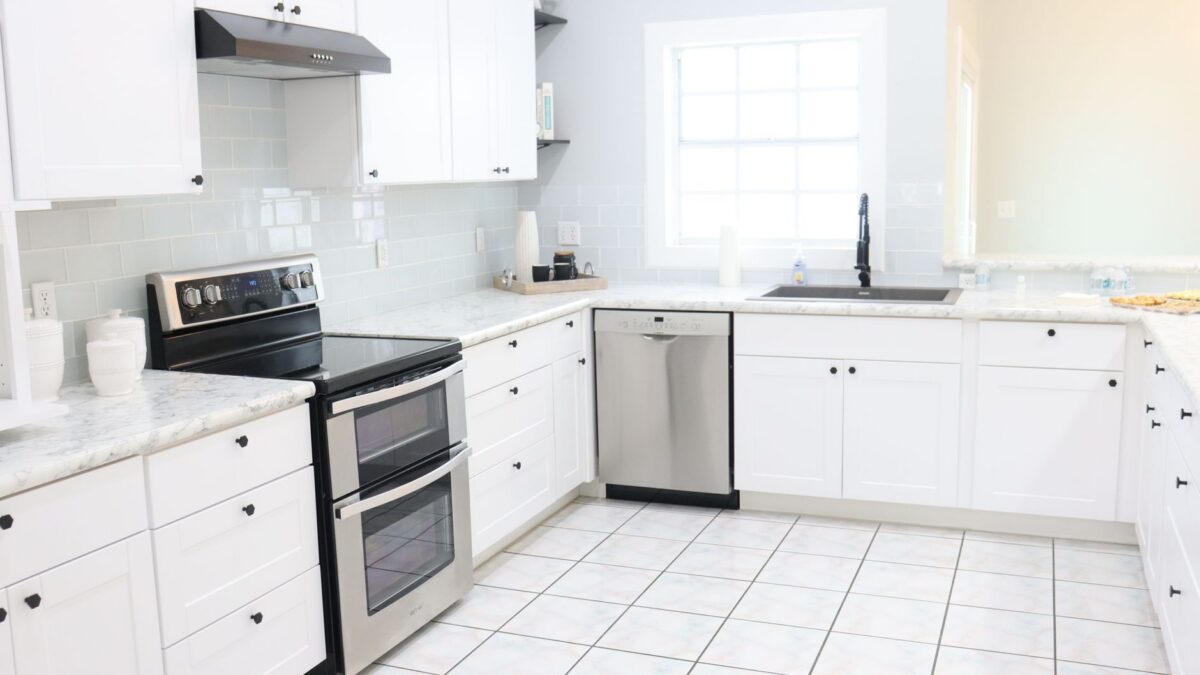
A dishwasher that is not draining is most often blocked by a clogged filter, a kinked or blocked drain hose, a garbage disposal knockout plug that was never removed, or a clogged kitchen sink drain. Most of these can be checked in under an hour with a towel, a bowl and a screwdriver. Call a technician if the water still sits after these checks, because the drain pump, check valve or control board may have failed.
Is a little water in the bottom normal?
A small amount of water around the sump (the low area under the filter) is normal in many models after a cycle ends. It keeps the seals from drying out. Standing water that covers the floor of the tub, or water that stays after a full cycle, is a draining problem.
Before you start, check that the cycle actually finished. A cycle that was interrupted by a power blip, a door opened mid-wash or a cancel button will leave water behind. Run a short “drain” or “cancel/drain” function if your model has one, which on many machines means pressing Start/Cancel and waiting about two minutes.
How do you work on a dishwasher safely?
Turn off power before you reach into the sump or pull the unit out. Use the switch under the sink or turn off the circuit breaker for the dishwasher. Keep towels and a shallow pan nearby, and bail out standing water with a cup or sponge. The water can be hot right after a cycle, so wait for it to cool.
Is the filter clogged?
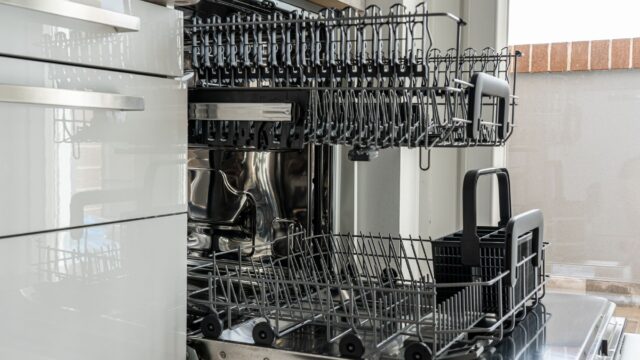
A clogged filter is the most common cause. Most modern dishwashers have a cylindrical filter in the floor of the tub that twists out by hand, with a flat mesh screen under it.
- Pull out the bottom rack.
- Twist the filter counterclockwise and lift it out.
- Rinse it under warm running water and scrub gently with a soft brush and dish soap.
- Wipe out the sump and remove any food, glass shards, labels or bits of plastic.
- Reinstall the filter until it locks.
Many manufacturers suggest cleaning the filter about once a month, or more often if you rarely scrape plates. Wear gloves, since broken glass often ends up in the sump.
Is the garbage disposal blocking the drain?
Many dishwashers drain through the garbage disposal, so a full or jammed disposal stops the water. Run the disposal with cold water for 15 to 30 seconds, then run the dishwasher’s drain function again. If the disposal hums or will not start, see our guide on how to reset a garbage disposal.
If the disposal was just installed, check the knockout plug. New disposals come with a plastic plug inside the dishwasher inlet, and it has to be knocked out with a screwdriver and hammer before the dishwasher can drain into it. A dishwasher that has never drained properly since a new disposal went in almost always has this problem.
Is the drain hose kinked or clogged?
The drain hose runs from the dishwasher to the disposal or a sink drain connection under the sink. Look for these problems:
- A kink or flattened section, often caused by storage bins pushed against it or by the dishwasher being slid back too far.
- A hose that lies flat on the cabinet floor. Most installation guides call for a high loop (the hose raised up to the underside of the counter) or an air gap, which keeps dirty sink water from flowing back.
- A clog at the end of the hose. Loosen the clamp, pull the hose off and check it over a bucket. Flush it with water or clear it gently with a straightened coat hanger or a flexible brush.
Is the air gap or sink drain blocked?
Some kitchens have an air gap: a small chrome cap on the sink deck or countertop next to the faucet. If water spills from it during a cycle, it is clogged. Pull off the cap, unscrew the plastic cover and clear out the debris.
Also check the kitchen sink itself. If the sink drains slowly, the dishwasher has nowhere to send its water. Clear the sink drain with a plunger (with the dishwasher hose clamped or the air gap covered) or a drain snake. Do not pour chemical drain cleaner into a sink connected to a dishwasher, and never mix drain cleaners with other chemicals.
Could the detergent or the load be the problem?
Yes. Regular dish soap makes heavy suds that can stop the pump and overflow the tub. Use only automatic dishwasher detergent. If someone used dish soap, bail out the suds, add a few tablespoons of vegetable oil to the bottom to calm the foam, and run a rinse cycle.
Loading matters too. Large pans, cutting boards or items that fall through the rack can block the spray arm or sit over the filter. Items like cast iron should not go in at all; our guide on what to hand-wash instead of putting in the dishwasher covers the common ones.
When should you call a technician?
Call a professional if the filter, disposal, hose, air gap and sink drain are all clear and the water still will not drain. The likely causes then are parts that need tools and testing:
- A failed drain pump. You may hear it hum without moving water, or hear nothing at all.
- A stuck check valve, the small flap that stops water flowing back into the tub.
- A faulty drain solenoid on older models, or a control board or sensor problem.
- An error code that comes back after you reset the dishwasher.
Look up the error code in the owner’s manual or on the manufacturer’s support site before you book a visit, and have the model and serial number ready (usually printed on a label at the edge of the door). If you smell burning, see scorching or notice water near wiring, stop using the dishwasher, turn off the breaker and call a technician. You can also search your model on the U.S. Consumer Product Safety Commission site to see if it has been recalled.
Quick answers
Can I use vinegar and baking soda to unclog a dishwasher drain?
A cup of white vinegar run on a hot cycle can help loosen grease in the sump and hose, but it will not clear a solid clog. Clean the filter and check the hose by hand first.
Why does my dishwasher drain into the sink?
Water backing into the sink usually means the sink drain or disposal is partly clogged, or the drain hose has no high loop or air gap.
Can I run the dishwasher with water still in it?
It is better not to. Running it again can overflow the tub or overwork the pump. Find and clear the blockage first, then run a rinse cycle to check.