Top-Freezer vs Bottom-Freezer Fridge: Price, Energy and Reliability
A top-freezer fridge usually costs less and uses less electricity than a bottom-freezer of similar size. Compare reliability, layout and who each suits.
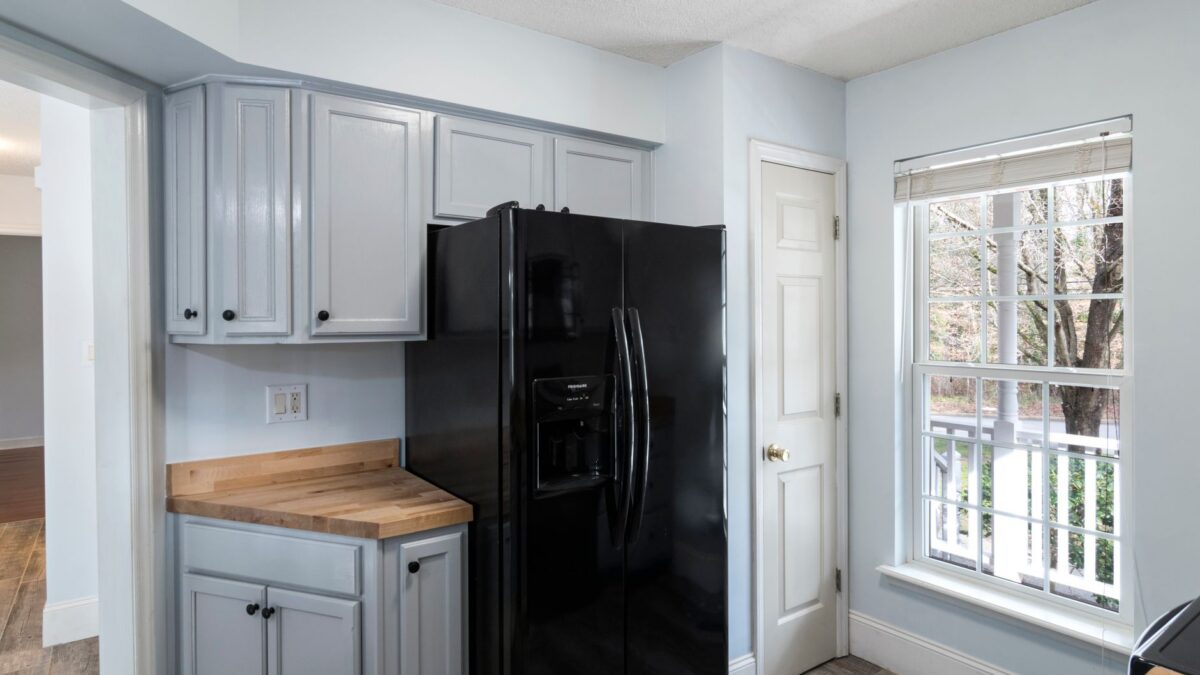
A top-freezer refrigerator usually costs less to buy and uses less electricity than a bottom-freezer model of similar size. The bottom-freezer style costs more and tends to draw somewhat more power, but it puts fresh food at eye level. Neither layout has been shown to last longer than the other, so the choice mostly comes down to budget, running cost and how you use the fridge.
Below are the differences that matter when you compare the two layouts.
Which costs less to buy, a top-freezer or a bottom-freezer?
The top-freezer is generally the least expensive refrigerator layout, and a bottom-freezer of the same capacity and finish usually carries a higher price. The gap comes from the extra hardware in a bottom-freezer: a pull-out freezer drawer, its slides and baskets, and often a more elaborate cabinet.
Finish, size and extras change the price more than layout alone. A stainless steel bottom-freezer with an ice maker and a water dispenser will cost much more than a basic white top-freezer, so compare models with matching features. Appliance prices also move over time, which is why a current price check at a few retailers beats any rule of thumb.
Which uses less electricity?
Top-freezer models are generally the most energy-efficient layout at a given size. A bottom-freezer typically uses a little more electricity, partly because of the drawer construction and the extra features that come with it. Size, age, door seals, ice makers and the room temperature around the fridge also affect the total, and an old fridge of either type can use far more than a new one.
The most reliable comparison is the yellow EnergyGuide label on the appliance, which lists estimated yearly kilowatt-hours (kWh) and a yearly operating cost. The ENERGY STAR program also certifies models that meet its efficiency requirements in both layouts. To turn kWh into dollars at your local rate, use the appliance electricity cost calculator, and see how many kWh a fridge uses per year for typical ranges.
Which is more reliable?
No widely accepted data shows that one layout lasts longer than the other. Most refrigerators of either type commonly run for roughly 10 to 20 years with normal care. What differs is the number of parts that can fail.
A top-freezer has a simpler design, so there is less to wear out. A bottom-freezer adds a drawer that is opened and closed often, with slides, baskets and a gasket that must seal along a longer track. Features such as ice makers, water dispensers and extra fans add failure points in any layout. Common problems in both include worn door gaskets, a failed defrost system, and fan or compressor trouble. If a fridge stops cooling while the freezer still works, check these causes in order before calling for service.
Which is easier to use day to day?
A bottom-freezer puts the fresh food compartment at eye and hand level, which suits households that open the fridge many times a day and use the freezer less. The trade-off is bending or crouching to reach frozen items, and a drawer can hide small packages at the bottom of the basket.
A top-freezer reverses that. Frozen food is easy to reach, while the lower shelves and crisper drawers require bending. Top-freezers also tend to have a simple, wide fresh food space that fits large platters and bowls without a drawer in the way.
What should you check before choosing?
- Measure the opening for height, width and depth, and leave clearance for ventilation and for the doors to swing.
- Check which way the doors open and whether the hinges can be reversed.
- Look at the EnergyGuide label for yearly kWh and cost, and compare two or three models.
- Decide whether you want an ice maker or water dispenser, since each adds cost and another part that can fail.
- Think about how you shop: a household that stocks the freezer heavily may prefer the deeper storage of a freezer drawer or the easier reach of a top compartment.
Whatever the layout, set the fresh food compartment at 40°F (4°C) or below and the freezer at 0°F (-18°C), the temperatures recommended by the USDA Food Safety and Inspection Service.
Quick answers
Is a bottom-freezer worth the extra money?
It is worth it mainly if you value having fresh food at eye level and are willing to pay more and accept somewhat higher electricity use. If cost and efficiency come first, a top-freezer is usually the better fit.
Does freezer position change how well food keeps?
No. Food keeps according to the temperature the fridge holds, not the layout. Check both compartments with an appliance thermometer if you suspect a problem.
How can I estimate what a fridge will cost to run?
Take the yearly kWh from the EnergyGuide label and multiply by your electricity rate, or let the calculator do it. Actual use varies with the room, how often the doors open and how full the fridge is.
Which fridge layout suits a small kitchen?
Either can work, so measure first. The deciding factors are the width of the opening and the space for the doors to swing, not the freezer position.