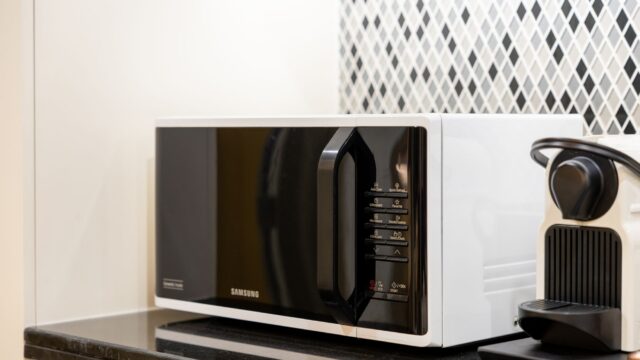
Over-the-Range vs Countertop Microwave: Venting, Fit, Installation and Cost
The real decision is about space, ventilation over your stove and how much installation work you're willing to pay for.
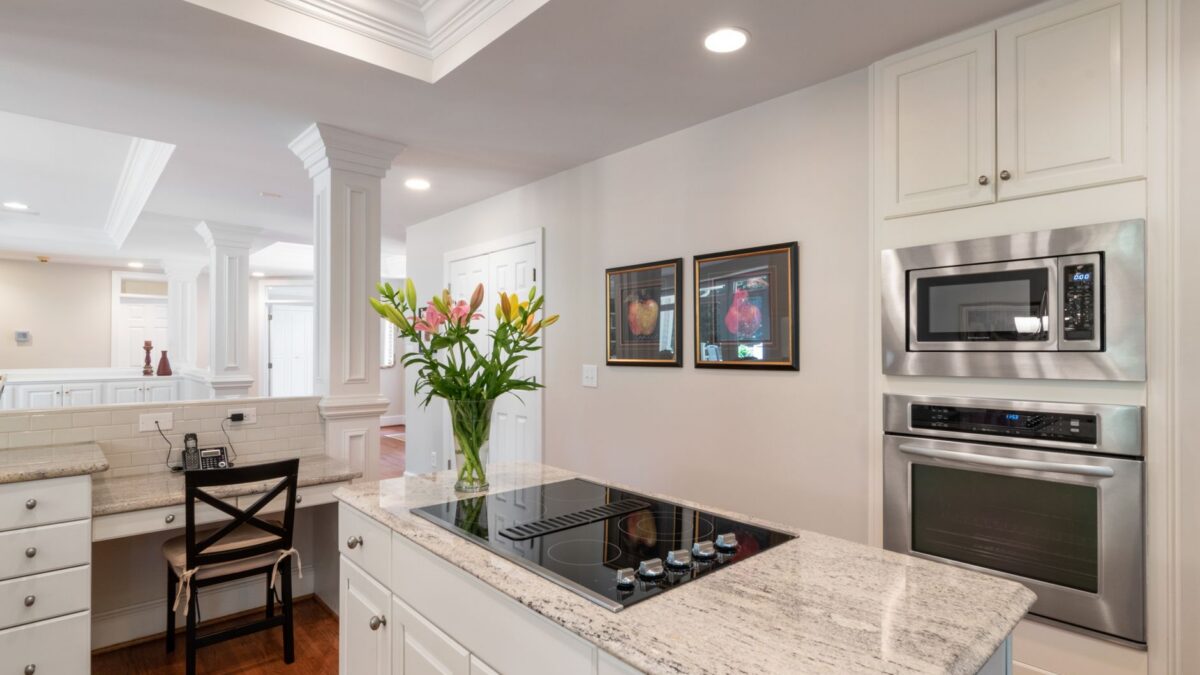
A countertop microwave is the cheaper, simpler choice: it plugs into a standard outlet, needs no installation and is easy to replace. An over-the-range (OTR) microwave frees counter space and adds a vent fan and light over the cooktop, but it costs more, usually needs a dedicated circuit and careful mounting, and its fan is generally less powerful than a dedicated range hood. If you cook a lot on high heat, especially on a gas range, pair good ventilation with whichever microwave you pick.
Side-by-side comparison
| Feature | Countertop | Over-the-range |
|---|---|---|
| Installation | None: plug in | Wall bracket, cabinet bolts, often a dedicated circuit; vent ducting if vented outside |
| Counter space | Uses it | Frees it |
| Ventilation | None | Built-in fan, ducted outside or recirculating through a charcoal filter |
| Typical width | Varies widely | Most are about 30 inches, to match standard ranges |
| Interior capacity | Compact to large (roughly 0.7–2.2 cu ft) | Commonly about 1.5–2.2 cu ft |
| Replacement | Easy; take it home and plug in | Two-person job; mounting plate may differ between models |
| Accessibility | At counter height | Mounted high above the cooktop; harder for shorter users and children |
| Rough price range, as of 2026 | Typically lower | Typically higher, plus installation |
Exact dimensions and capacities vary by model, so check the specification sheet and installation instructions before buying.
Ventilation: the biggest difference
An OTR microwave doubles as a range hood. It has an exhaust fan and grease filters underneath, and it can be installed in one of two ways:
- Ducted (vented outside): air goes through a duct to the outdoors via the wall or roof. This removes smoke, moisture and combustion byproducts from the kitchen.
- Recirculating (ductless): air passes through a charcoal filter and is blown back into the room. It traps some odors and grease but does not remove moisture or combustion gases. The charcoal filter needs regular replacement.
Microwave vent fans are typically rated in the low hundreds of cubic feet per minute (CFM); check the stated CFM on the model you’re considering. Because the unit is shallower than many hoods, it may not capture as much steam and smoke from the front burners. For gas cooking, the EPA lists gas stoves among indoor sources of nitrogen dioxide and says venting combustion sources outdoors is one of the most effective ways to reduce exposure (see the EPA’s nitrogen dioxide page). If indoor air matters to you, a ducted setup or a separate range hood is the stronger option. Our gas vs induction cooktop guide covers this in more detail.
Installation requirements for OTR models
Read the installation instructions before you buy; they are usually available on the manufacturer’s site. Typical requirements include:
- Clearance: a minimum distance between the cooktop and the bottom of the microwave, set by the manufacturer. Check the range’s instructions too.
- Wall support: the mounting plate must be anchored to at least one wall stud, plus bolts through the upper cabinet.
- Electrical: many instructions call for a grounded outlet on a dedicated circuit, often located in the cabinet above.
- Ducting: for outside venting, a duct path of the correct size, with a damper.
- Cabinet width: usually a 30-inch opening between cabinets; some models come in other widths.
Replacing an OTR unit with a similar one is often doable for a handy homeowner with a helper, but the unit is heavy and awkward. Adding a new circuit, cutting new ductwork or modifying cabinets usually calls for a licensed electrician or contractor. Always shut off power at the breaker before working near the outlet.
Costs to plan for
As of 2026, consumer cost guides generally show OTR microwaves costing more than comparable countertop units, with professional installation adding roughly a few hundred dollars for a straight swap and more when new wiring, ducting or cabinet work is needed. Prices vary a lot by region, brand and features, so get local quotes. Hidden costs to ask about:
- Haul-away of the old unit
- A new circuit or outlet
- New or rerouted ductwork
- Charcoal filter replacements for recirculating installs
Who should choose which
Countertop makes sense if you:
- Rent or may move soon
- Already have a good range hood
- Want the lowest upfront cost and easy replacement
- Need the microwave reachable for kids or for accessibility
Over-the-range makes sense if you:
- Have limited counter space
- Have no hood over the range and want light and some ventilation
- Are replacing an existing OTR unit with matching bracket and ducting
Other options exist too: drawer microwaves and built-in or trim-kit models fit into cabinetry, usually at a higher price.
Maintenance differences
OTR units need their grease filters cleaned regularly and the charcoal filter swapped on recirculating installs. Saturated filters often cause lingering smoky smells; see our guide to removing a burnt smell from a microwave. Countertop units just need regular interior cleaning and space around their vents.
Bottom line
Choose a countertop microwave for low cost, flexibility and easy replacement. Choose an over-the-range model if counter space is tight and you want a light and fan over the stove, accepting the installation work and a fan that is usually weaker than a dedicated hood. For heavy or gas cooking, ducted ventilation to the outdoors matters more than the microwave itself.
FAQ
Can I install an over-the-range microwave myself?
A like-for-like swap is possible for a handy person with a helper, following the instructions. New wiring, ducting or cabinet changes are best left to licensed pros.
Does an OTR microwave replace a range hood?
It provides some ventilation, but many OTR fans move less air and capture less smoke than a dedicated hood, especially from front burners.
Does an OTR microwave need its own circuit?
Many manufacturers’ instructions call for a dedicated, grounded circuit. Check your model’s installation guide.
Are recirculating vents worth it?
They filter some grease and odors but return moisture and combustion gases to the room. Venting outdoors is more effective when possible.