How to Replace a Fridge Water Line Valve (Inlet Valve or Shut-Off)
"Water line valve" can mean the shut-off behind the fridge or the electric inlet valve inside it. Here's how to diagnose which one is the problem and swap it safely.
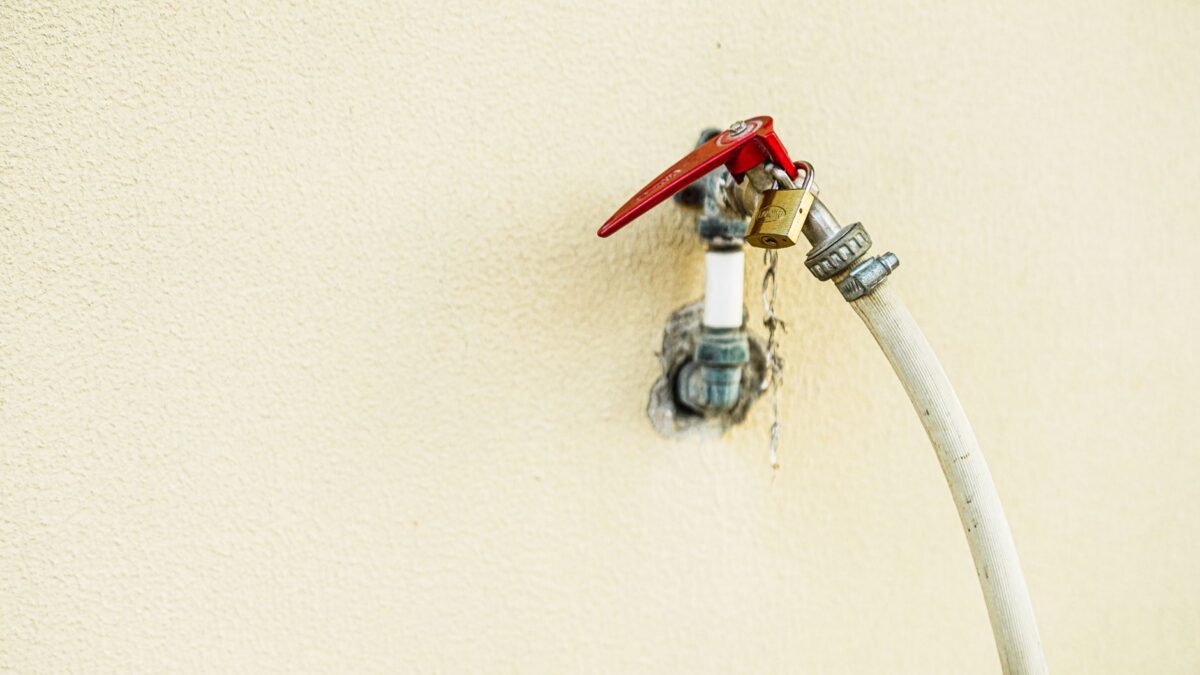
Two valves control the water to a refrigerator: the supply shut-off valve on the house plumbing behind or below the fridge, and the water inlet valve, an electric solenoid valve mounted on the back of the fridge that opens when the ice maker or dispenser calls for water. Replacing either one is usually a 30–60 minute job. Before you start, unplug the refrigerator and shut off the water upstream, and if you are not comfortable working on household plumbing, call a plumber for the shut-off and an appliance technician for the inlet valve.
Which valve is the problem?
Start with the symptom. A leak or drip at the wall, a handle that won’t turn or a valve that won’t fully close points to the shut-off. No water to the ice maker or dispenser (with the shut-off open and the filter fresh), a buzzing noise with no flow, or water that keeps trickling into the ice maker after it should stop usually points to the inlet valve.
| Symptom | Likely valve | First free check |
|---|---|---|
| Drip or puddle at the wall connection | Shut-off valve or its fitting | Snug the compression nut a quarter turn; look for a cracked valve body |
| Shut-off handle stuck or won’t close | Shut-off valve | Do not force it; plan a replacement with the house water off |
| No water to ice maker or dispenser | Inlet valve (or filter, frozen line) | Replace an old filter, check the supply is open, look for a kinked line |
| Hum or buzz but no water | Inlet valve or low water pressure | Confirm pressure at the shut-off with a bucket test |
| Ice maker overflows or ice cubes fused into a block | Inlet valve not closing fully | Turn off the ice maker and call for service if it continues |
If the ice maker is the only thing not working, run through our ice maker troubleshooting guide first. Many “bad valve” problems turn out to be a clogged filter or a freezer that is too warm.
Safety first
- Unplug the refrigerator before touching the inlet valve. It runs on line voltage (120 volts in the US).
- Shut off the water upstream of the valve you are replacing. For the wall shut-off itself, that means closing the house main or a branch valve. See how to shut off water to your house.
- Check your manual and warranty. The model number is on a label inside the fresh-food compartment or on the door frame. DIY work on a fridge still under warranty may void that coverage.
- Keep towels and a shallow pan handy. Even a drained line releases a cup or two of water.
Replacing the supply shut-off valve
What you need
- A new quarter-turn shut-off valve that matches your pipe (copper sweat, compression, threaded or push-fit) with a 1/4-inch compression outlet
- Two adjustable wrenches
- Bucket and towels
- Pipe cutter and deburring tool if you are cutting copper
If the existing valve is a saddle valve (a clamp that pierces the side of a pipe), it is worth replacing it with a proper tee and quarter-turn valve. Saddle valves are prone to clogging and leaking, and some state and local plumbing codes do not allow them. Check your local code.
- Pull the refrigerator out carefully, protecting the floor, and unplug it.
- Close the house main or the branch valve feeding this line. Open a nearby faucet to relieve pressure.
- Disconnect the fridge supply tube from the valve outlet with two wrenches, one holding the valve steady.
- Remove the old valve. With a compression valve, loosen the inlet nut and slide it off; with a push-fit valve, press the release collar.
- Install the new valve per its instructions. Compression fittings need a new ferrule if the old one is damaged; push-fit fittings need a clean, square-cut pipe end inserted to the full depth mark.
- Reconnect the fridge supply tube. Hand-tighten, then snug with a wrench. Overtightening can crack plastic tubing or distort a ferrule.
- Close the new valve, turn the house water back on, then open the new valve slowly and watch every joint for a few minutes.
Any work that involves soldering copper, or a valve on a line you cannot isolate, is a job for a licensed plumber.
Replacing the refrigerator water inlet valve
What you need
- The exact replacement valve for your model number (single, dual or triple outlet valves are not interchangeable)
- Nut driver or screwdriver, usually 1/4-inch or 5/16-inch
- Adjustable wrench, towels, a small bowl
- Phone camera to photograph wire and tube positions
- Unplug the fridge and close the supply shut-off.
- Remove the lower rear access panel. The inlet valve usually sits near the bottom corner where the house line enters.
- Photograph the wiring and tubing before you disconnect anything.
- Disconnect the house supply line from the valve inlet and let it drain into the bowl.
- Remove the outlet tubes. Many use push-in fittings released by pressing a collar; some use small compression nuts or clips.
- Unplug the wire connectors by squeezing the tabs, not pulling the wires.
- Unscrew the valve bracket and install the new valve in the same position, reconnecting tubes and wires exactly as photographed.
- Reattach the supply line, open the shut-off and check for drips before replacing the panel.
- Plug the fridge in. Run the dispenser into a glass for a couple of minutes to purge air, then let the ice maker cycle. Discard the first batches of ice.
If the new valve hums but still delivers no water, the problem may be low household pressure, a frozen tube in the freezer door or a control board issue. Many inlet valves list a minimum water pressure in the installation guide; check yours.
When to call a pro
- The shut-off is soldered in, corroded, or on a line you can’t isolate.
- You see water damage under the floor or inside the cabinet base. See refrigerator leaking water on the floor for other sources.
- The new inlet valve doesn’t fix the problem and you suspect a control board or frozen line.
- The fridge is under warranty.
Costs vary widely by region and model. A shut-off valve is an inexpensive part, while an inlet valve is a model-specific part; most of the cost of a service visit is usually the trip and labor charge rather than the valve itself.
Bottom line
Figure out which valve you’re dealing with before buying parts. A dripping wall connection is a plumbing fix; a dry or overflowing ice maker with good supply pressure often points to the inlet valve on the fridge. Unplug, shut off the water, photograph everything and use the part matched to your model number.
FAQ
Can I reuse the old compression nut and ferrule?
Sometimes, if they’re undamaged and seat cleanly. If the ferrule is deformed or the joint ever leaked, fit a new nut and ferrule.
Is a push-fit shut-off valve acceptable?
Push-fit valves are widely sold for copper, PEX and CPVC. Install them on a clean, square-cut pipe to the depth mark and check that your local code accepts them in that location.
Why does my new inlet valve buzz?
A faint hum while it’s filling is normal. Loud buzzing with little flow can mean low water pressure, a clogged filter or a kinked line.
Do I need to flush the line after replacing a valve?
Yes. Run a few glasses of water through the dispenser and throw away the first ice to clear air and any debris.