How to Transport a Refrigerator: Upright vs Side and When to Plug In
Move a refrigerator upright when you can. If it rode on its side, wait as long as it was down, up to 24 hours, before plugging in. Prep and loading steps inside.
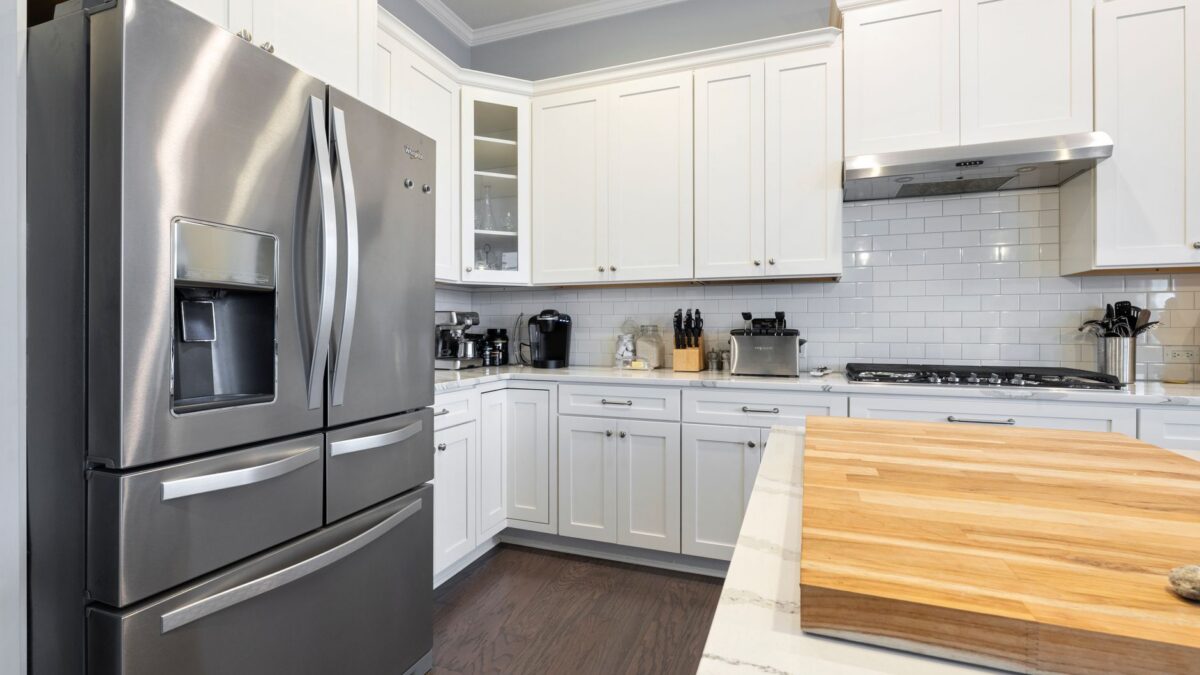
The safest way to transport a refrigerator is standing upright, strapped to an appliance dolly and secured against the wall of the truck. If a fridge has to lie down, put it on its side (never on its front or back), and after you stand it back up, leave it unplugged for at least as long as it spent lying down, up to about 24 hours. A fridge moved upright only needs a short rest, usually 1 to 4 hours, before you plug it in.
Always check the owner’s manual for your model, because manufacturers set their own wait times and some name the side the unit should rest on.
Why does it matter how a refrigerator lies during a move?
A refrigerator’s compressor sits at the bottom of the cabinet and holds lubricating oil in its sump. When the fridge tips over, some of that oil can run out of the compressor and into the refrigerant lines. If you switch the fridge on before the oil drains back, the compressor can run with too little lubrication, and the oil in the lines can restrict refrigerant flow. Most of the time the result is weak cooling for a day or so. In bad cases the compressor is damaged, which on many fridges costs close to the price of a new unit to fix.
Lying flat also puts weight on parts that were never built to carry it. On its back, the fridge rests on the condenser coils or rear panel and the compressor mounts. On its front, the doors take the load and can bend at the hinges or crack the door liner.
Can you lay a refrigerator on its side?
Yes, a refrigerator can travel on its side when the vehicle has no room to stand it up, and most manufacturers accept this as long as you wait before plugging it in afterward. Some manuals name a preferred side, often the one that keeps the compressor’s discharge tubes pointing up or keeps the door hinges on top so the doors cannot swing open. If the manual says nothing, lay it on the hinge side with blankets underneath and the doors tied shut.
Avoid these positions:
- Flat on the back, which presses on the coils and the compressor mounts.
- Flat on the front, which loads the doors and hinges.
- Upside down, which sends the most oil out of the compressor.
- Tilted at a steep angle for hours, which can drain oil much like lying flat.
How long should a refrigerator stand before you plug it in?
Match the wait to how the fridge traveled:
- Moved upright the whole way: wait 1 to 4 hours so any oil disturbed by bumps and tilting settles.
- Laid on its side for a short trip: wait at least as long as it was down.
- Laid on its side for many hours or a long-distance move: wait a full 24 hours.
Waiting longer than needed does no harm, so when you are unsure, give it overnight. Plugging in too early is the most common moving mistake with refrigerators.
How do you prepare a refrigerator for moving?
Start the day before the move.
- Eat down or pack the food. Move perishables in a cooler with ice packs.
- Unplug the fridge about 24 hours ahead so the freezer can defrost. Leave the doors open and put towels down to catch water.
- If the fridge has an ice maker or water dispenser, shut off the water supply valve, disconnect the line and drain it. A good time to fit a new cartridge is after the move; see how often to change a refrigerator water filter.
- Remove or tape down glass shelves, drawers and door bins, and wrap glass in blankets.
- Wipe the interior dry so it does not grow mold on the road.
- Coil the power cord and tape it to the back of the cabinet.
- Close the doors with a moving strap or rope around the cabinet. Painter’s tape is gentler on the finish than duct tape if you use tape at all.
Measure doorways, hallways and the truck opening first. Many doors can come off their hinges to save an inch or two, which is often the difference between fitting and not fitting.
How do you load a refrigerator onto a truck?
Use an appliance dolly with a strap and slide it under the side of the fridge, not under the front or back, so the doors and coils are not squeezed. Tighten the strap, tilt the fridge back only as far as needed to roll it, and keep the tilt shallow. A full-size refrigerator often weighs 200 to 300 pounds (90 to 135 kg) or more, so plan for two people, with one guiding from below on stairs.
In the truck, stand the fridge against the front wall or a side wall and tie it to the rails at two heights. Pad the cabinet with moving blankets so nothing rubs the finish. Load heavy boxes so they cannot slide into the doors.
What should you do after the refrigerator arrives?
Set the fridge in place, check that it is level (most models tilt slightly back so the doors close on their own), and leave a gap behind and above it for air. Wait the full rest time, then plug it in and set the controls to the middle setting.
The fridge usually needs several hours, and up to 24, to reach a safe temperature. Put a thermometer inside and load food only once the fresh-food section reads 40°F (4°C) or below and the freezer reads 0°F (-18°C), the targets used by FoodSafety.gov. Reconnect the water line, check for drips at the fitting, and throw away the first two or three batches of ice.
New hums and clicks in the first day are common while the system settles. If a click repeats every few minutes and the fridge stays warm, read our guide to normal clicks versus a bad start relay before calling for service.
Quick answers
What happens if you plug in a fridge too soon after laying it down?
The compressor may run with oil still sitting in the refrigerant lines. Often the fridge simply cools poorly for a while. If it does not cool after a day, unplug it, let it stand for 24 hours, then try again before calling a technician.
Can a mini fridge be moved on its side?
Yes. A compact fridge also has a compressor with oil, so the same rule applies: wait at least as long as it was on its side before plugging it in.
Can you move a refrigerator into a cold garage?
You can, though many standard models do not run well when the room is near freezing. Read about garage refrigerator cold limits before you choose the spot.
Should you leave food in the fridge for a short move?
No. Food adds weight, shifts in transit, and warms up while the fridge is unplugged. Empty it and use a cooler.