Refrigerator Energy Use: kWh Per Year and What a Fridge Costs to Run
A modern refrigerator uses roughly 300 to 800 kWh a year, or about $50 to $130 in electricity. See how to check your model and cut the cost.
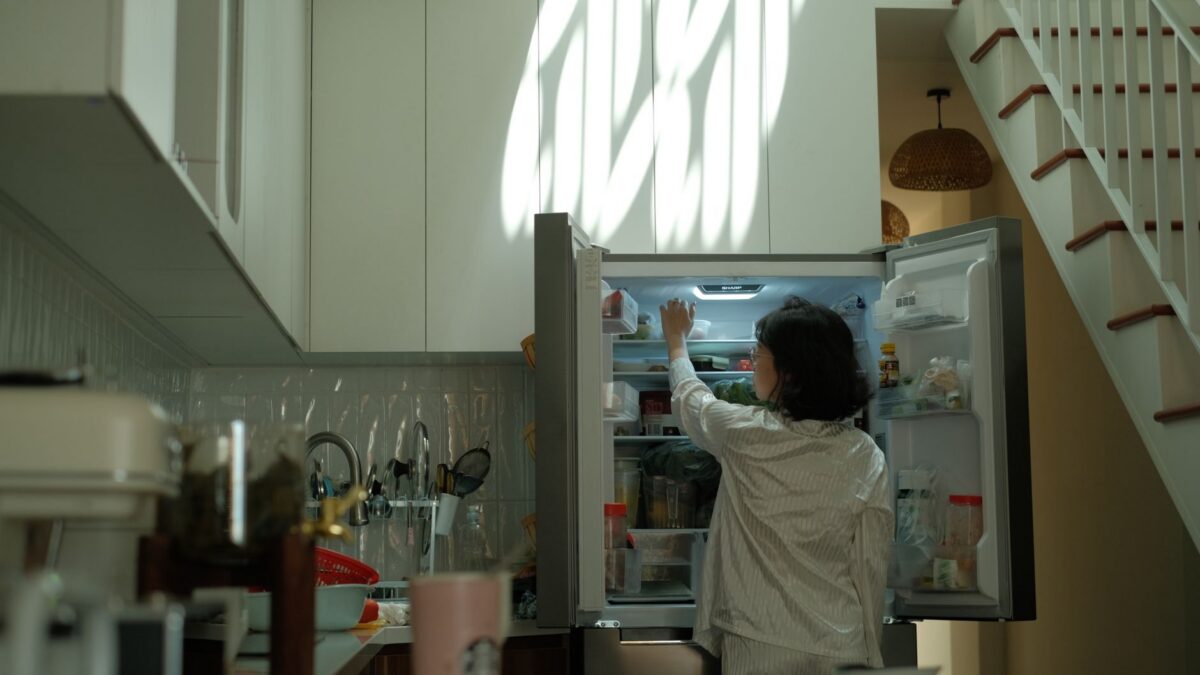
A modern household refrigerator typically uses about 300 to 800 kilowatt-hours (kWh) of electricity per year. At an electricity price of 16 cents per kWh, that works out to roughly $48 to $128 a year, or about $4 to $11 a month. Larger fridges, side-by-side and French-door models with ice makers, and units from before the mid-1990s sit at the high end, and some old units use 1,000 kWh or more.
Your own number depends on the model, its age, the room it sits in and your local electricity rate. The sections below show how to find it.
How many kWh does a refrigerator use per year?
Most new full-size refrigerators fall between roughly 300 and 800 kWh per year. Small compact fridges use less, often a few hundred kWh at most, and large units with through-the-door ice and water use more.
The model’s yellow EnergyGuide label states the estimated yearly kWh and yearly cost for that specific unit. Models that carry the ENERGY STAR mark use less than the federal minimum standard. The ENERGY STAR program lists certified refrigerators and their rated consumption.
Rated figures come from laboratory conditions. A fridge opened often, packed warm food or set in a hot kitchen uses more in practice.
How do you calculate what a fridge costs to run?
Multiply the yearly kWh by your electricity price per kWh. The price is printed on your utility bill, and many bills show it in cents.
- 400 kWh at $0.16 per kWh is $64 per year.
- 600 kWh at $0.16 per kWh is $96 per year.
- 1,000 kWh at $0.16 per kWh is $160 per year.
The price of 16 cents is an example. Rates differ widely by state and utility, and the U.S. Energy Information Administration, part of the U.S. Department of Energy, publishes average residential prices by state. Substitute your own rate.
If you do not have a label, use the nameplate wattage and a rough running share. A refrigerator compressor does not run all day. It cycles, typically running somewhere around a third to a half of the time. Watts multiplied by hours of running, divided by 1,000, gives kWh. The appliance electricity cost calculator does this math for any appliance if you enter wattage, hours and rate.
Why does one fridge use more electricity than another?
Size, age and design account for most of the gap.
- Age. Efficiency standards have tightened over the decades, so a fridge from the 1990s or earlier uses far more than a current model of the same size.
- Layout. Top-freezer models generally use less than side-by-side models, and through-the-door ice and water dispensers add consumption.
- Size. More cubic feet means more space to cool.
- Location. A fridge next to an oven, a dishwasher or a sunny window works harder, because it has to shed more heat.
- Condition. Dirty condenser coils, worn door seals and a failing defrost system all raise consumption.
How can you lower a refrigerator’s electricity use?
Start with the settings, then check the parts that wear out.
- Set the refrigerator compartment to 37 to 40°F (3 to 4°C) and the freezer to 0°F (-18°C). The FDA recommends keeping the refrigerator at 40°F (4°C) or below and the freezer at 0°F. Colder settings use more power without a food-safety benefit.
- Vacuum the condenser coils once or twice a year. They are behind the bottom grille or on the back, and the manual shows where. Unplug the fridge first.
- Test the door seals. Close a dollar bill in the door; if it slides out with no resistance, the gasket may be worn or dirty. Cleaning the gasket with warm water and mild dish soap often restores the seal.
- Leave a little space around the fridge, usually an inch or two at the sides and back, so heat can escape. Follow the manual for the exact clearance.
- Let hot leftovers cool a short while before storing them, and keep the doors shut as much as possible.
- Keep the fridge reasonably full. Stored food holds cold and reduces how much cold air escapes when the door opens. Avoid blocking the air vents, which sit inside the compartments.
Cleaning outside surfaces does not change energy use, but if you are maintaining the appliance anyway, the guide on cleaning a stainless steel fridge covers what to avoid.
Is a second fridge in the garage worth running?
A spare fridge is often the most wasteful appliance in a house. An older unit moved to the garage can use 1,000 kWh or more per year, which at 16 cents per kWh is around $160. A garage also swings from freezing to hot, which strains models not built for it, as covered in the garage refrigerator in winter article.
Check the actual draw before deciding. A plug-in energy monitor shows the real consumption over a few days, and the result tells you whether it is cheaper to keep, replace or remove the second fridge. Recycling programs run by some utilities pick up working second fridges, and the ENERGY STAR site describes what to look for in a certified replacement.
Should you repair or replace an old, high-use fridge?
The answer depends on the repair cost, the fridge’s age and the yearly electricity gap. A fridge using 1,000 kWh when a certified model uses about 400 kWh wastes about 600 kWh a year, which is $96 at 16 cents per kWh. Replacement cost spread over a decade or more usually outweighs that saving alone, so age, noise, temperature swings and repair quotes carry more weight. For a sense of what the work costs, see the typical refrigerator repair cost ranges by part.
Quick answers
How much does a fridge cost to run per month?
For a typical 400 to 600 kWh fridge at 16 cents per kWh, about $5 to $8 per month. Divide your yearly cost by 12 for your own figure.
Does a fridge use more electricity when it is full or empty?
An empty fridge loses cold air quickly each time the door opens, so a reasonably stocked fridge holds temperature better. Overpacking blocks airflow and causes uneven cooling.
Does the fridge run constantly?
No. The compressor cycles on and off to hold the set temperature. A fridge that never shuts off, or one that runs much more than before, may have dirty coils, a bad door seal or a failing part.
Does an ice maker raise the bill?
Yes, a little. The ice maker and dispenser add consumption, and models with them sit toward the higher end of each size class.